Welcome to Transport and Climate Change Week 2026!
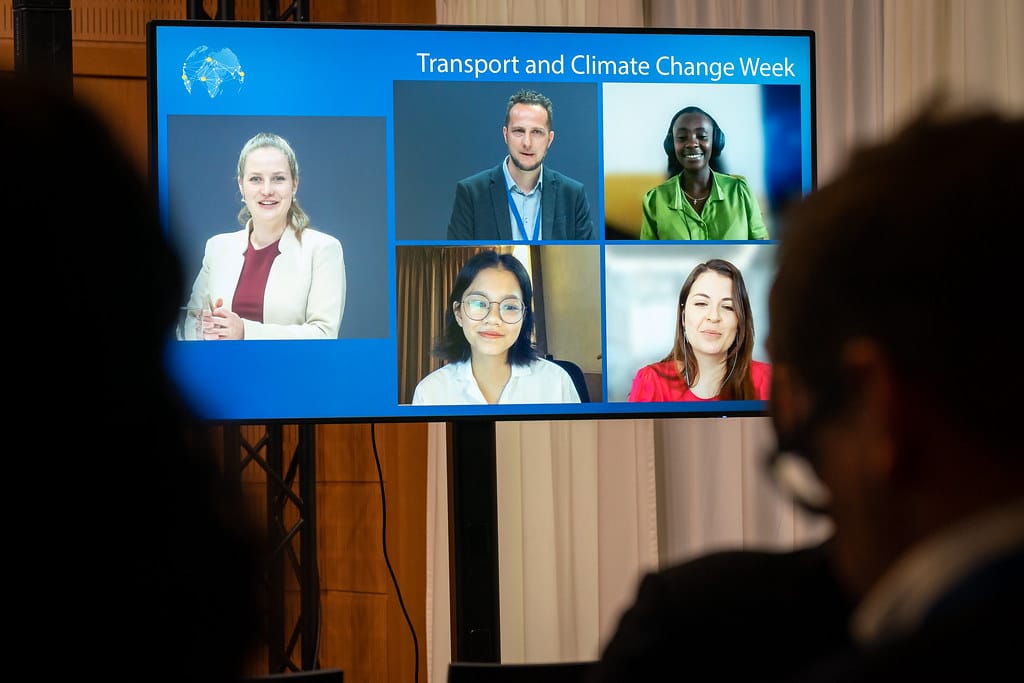
For nearly a decade, Transport and Climate Change Week has brought people together to do something simple but essential: exchange knowledge, build trust, and strengthen the partnerships that make sustainable transport possible. Now in its 9th edition, the conference will take place fully online from 5 to 9 October 2026, welcoming decision-makers, experts, and practitioners from every region. Past editions have reached up to 1,500 participants and over 200 partners, a reflection of how much this community has grown, and of how valuable a trusted space for collaboration has become.
This year’s motto, Partnering for Action: Global Alliances and Opportunities for Decarbonising Transport, reflects a conversation the transport sector cannot postpone. As cooperation adapts to a changing world, becoming more agile and more shaped by the countries doing the work, the week will bring together the people and institutions who can turn that shift into real progress for the climate and for the communities transport serves.
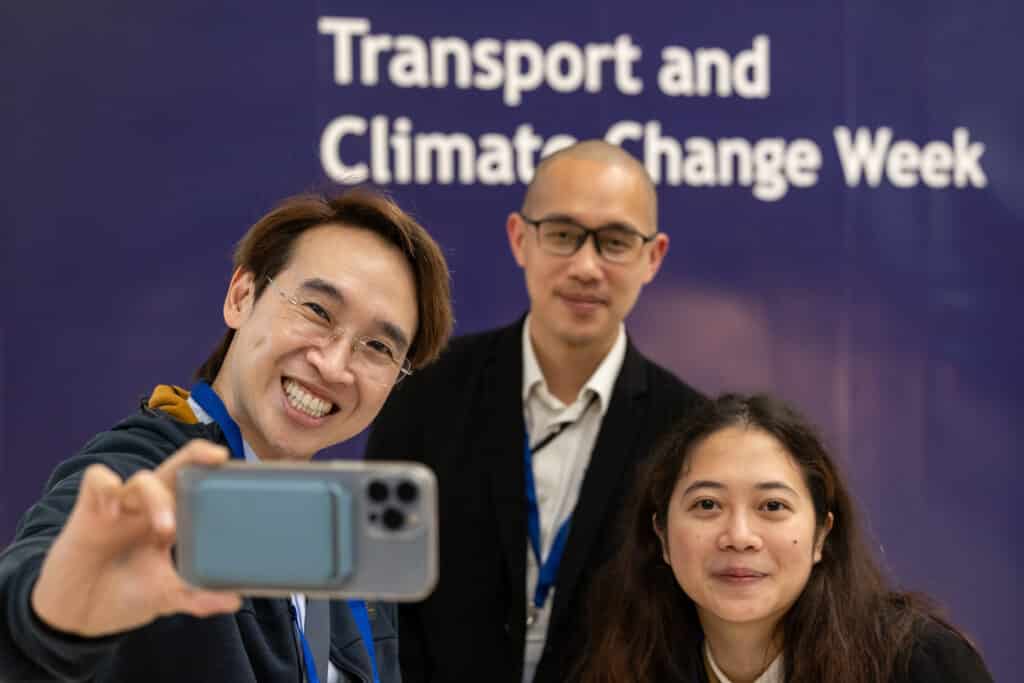

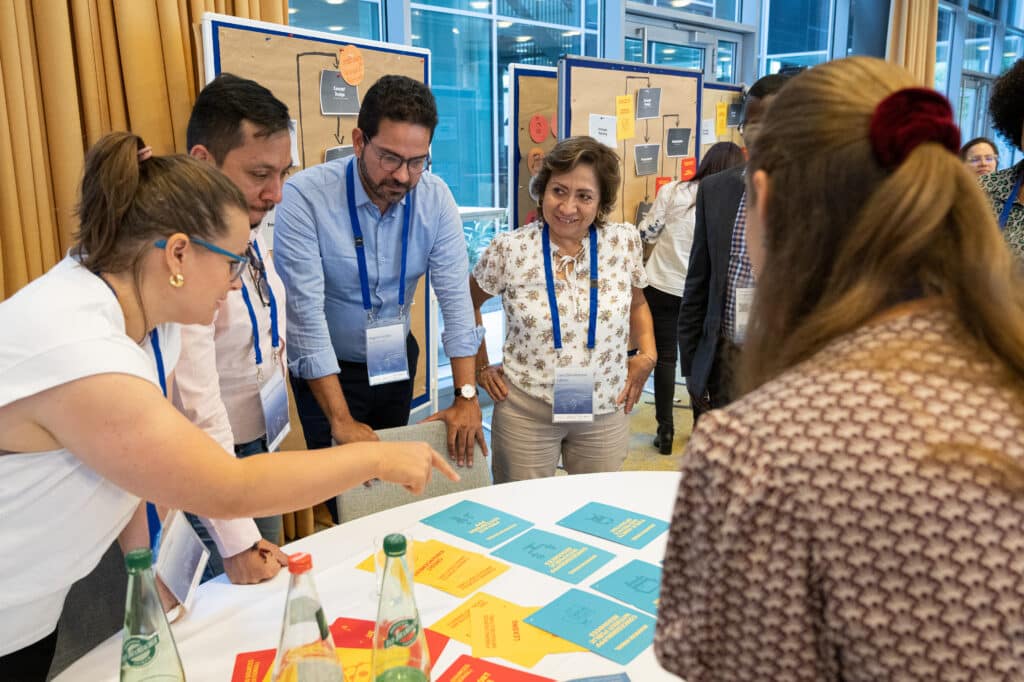
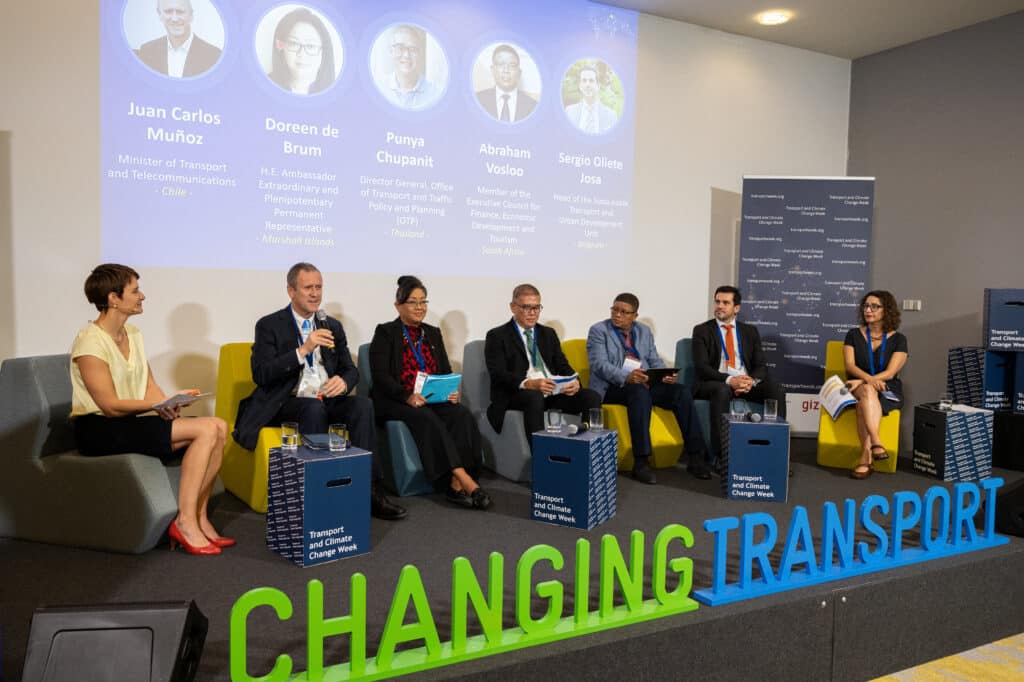

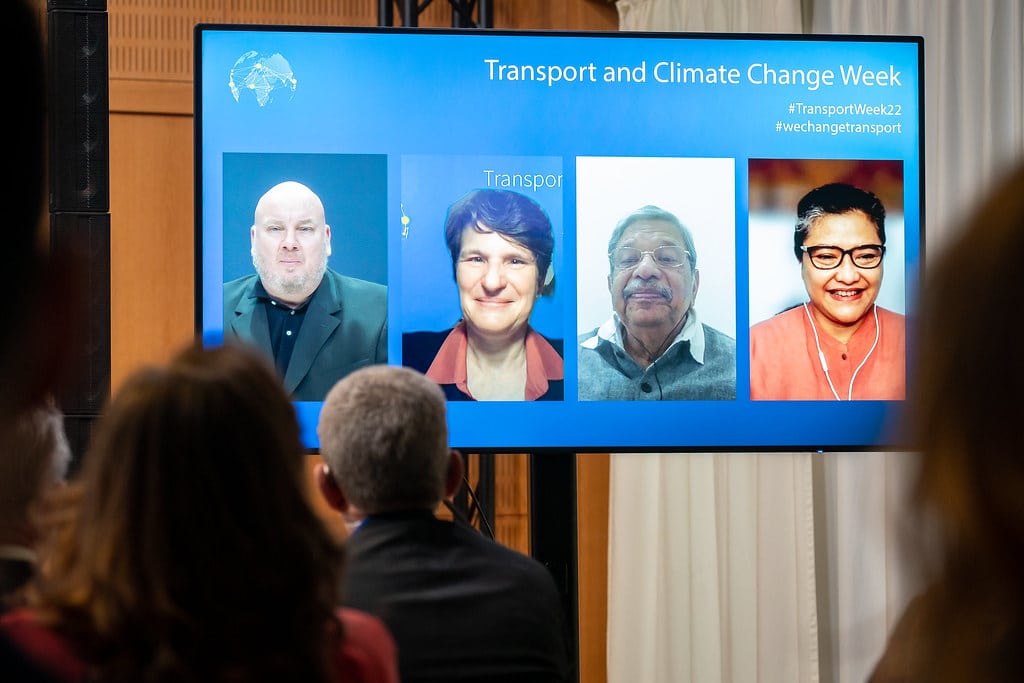
The event is organised by the Deutsche Gesellschaft für Internationale Zusammenarbeit (GIZ) GmbH on behalf of the Federal Ministry for the Environment, Climate Action, Nature Conservation and Nuclear Safety (BMUKN), financed by the International Climate Initiative (IKI). For any questions please don’t hesitate the conference team via transportweek@giz.de.
Programme overview
Building Sustainable Alliances
Welcoming & Opening Remarks

Implementing Partnerships for Action
Stories of Change
Developing vehicle regulations for vehicle efficiency and electrification is a journey that requires strong partnerships, technical expertise, and sustained capacity building. This session will showcase experiences from India, Kenya, and Thailand, highlighting how governments, technical experts, and other stakeholders have worked together to develop and implement effective regulations. Speakers will share key steps, milestones, challenges, and capacity-building approaches from their respective country journeys.
The session will offer practical lessons and insights that participants can adapt to advance vehicle efficiency and electrification policies in their own countries.
Eastern EU & The Balkans Experience
This workshop will bring together representatives of national and local authorities, regional organisations, development partners and financial institutions to exchange experiences and showcase practical solutions for advancing climate-resilient urban mobility in the Western Balkans. Building on the Declaration for Green Mobility for the Western Balkan Countries and Observing Participants and the Policy Framework and Roadmap for Integrated Sustainable Urban Mobility for the Western Balkans, the workshop will present complementary initiatives, demonstrate pilot actions, promote regional cooperation, and explore opportunities for scaling up investments in sustainable and climate-resilient urban mobility.
Projects Perspective
Fluvial Perspective
PtX Side Event
Symposium Day: Mobilising Innovation
Side Event
The electrification of heavy-duty vehicles (HDVs) is entering a new phase. While early pilot projects have demonstrated the technical feasibility of electric trucks in various applications, the next challenge is enabling large-scale deployment in the future.
Unlike passenger vehicles, electric heavy-duty vehicles introduce complex interactions between vehicle technologies, charging infrastructure, electricity systems, logistics operations and policy frameworks. Large-scale adoption will require coordinated planning across multiple sectors, including transport, energy, industry and finance.
Questions around charging infrastructure deployment, grid readiness, vehicle technology development, business models and supportive policies are becoming increasingly critical. Addressing these challenges requires moving beyond individual pilots towards an integrated approach that considers the entire ecosystem surrounding electric HDVs.
This session will bring together partners to discuss how to prepare for the next stage of electric heavy-duty vehicle deployment and how governments, industry and partners can coordinate actions to enable a successful transition. “
Africa Regional Perspective
Scaling Impact through Cooperation
Side Event
Asia Regional Perspective
Transport Data Commons (TDC) Side Event
Latin America Regional Perspective
Looking a Decade Ahead
Stories of Change