About this Digital Ehibition
Transport decarbonisation is, at its core, a question of partnership: of trust built across languages, borders, and contexts that rarely share the same starting point.
This year, Transport and Climate Change Week is building global alliances across countries, sectors, and ways of knowing, under the motto “Partnering for Action.” This Digital Exhibition is one of them.
We believe creativity is not peripheral to climate action, but it is essential to it. Art makes visible what reports and data leave out: it builds empathy across difference, asks questions policy doesn’t, and imagines futures not yet written. So we invited artists and creative practitioners from across Transport Week’s global network, the places where our colleagues work, where projects are implemented, where the everyday realities of transport are lived, to show us what mobility looks like, feels like, and means from where they stand.
What follows is not illustration of policy. It’s photography, painting, illustration, poetry, film and a transmedia project: local voices, in global conversation.
Eleven ways in
 Natal, BrazilAndré L. L. Toledo
 Kolkata, IndiaRuchira Paul
 Kampala, UgandaPetero Wamala
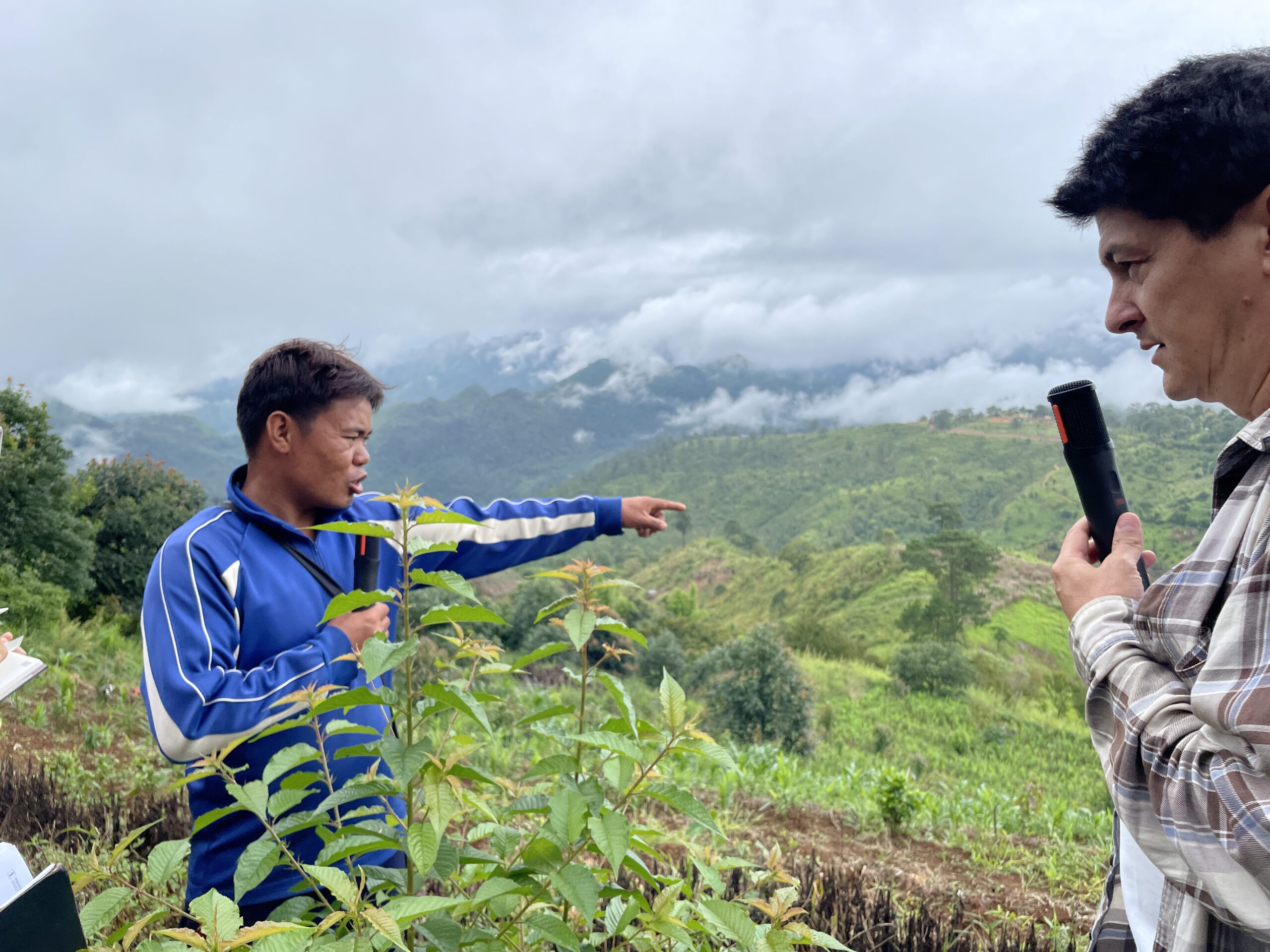 Poem · ThailandFour Hours to Baan Nor Lae
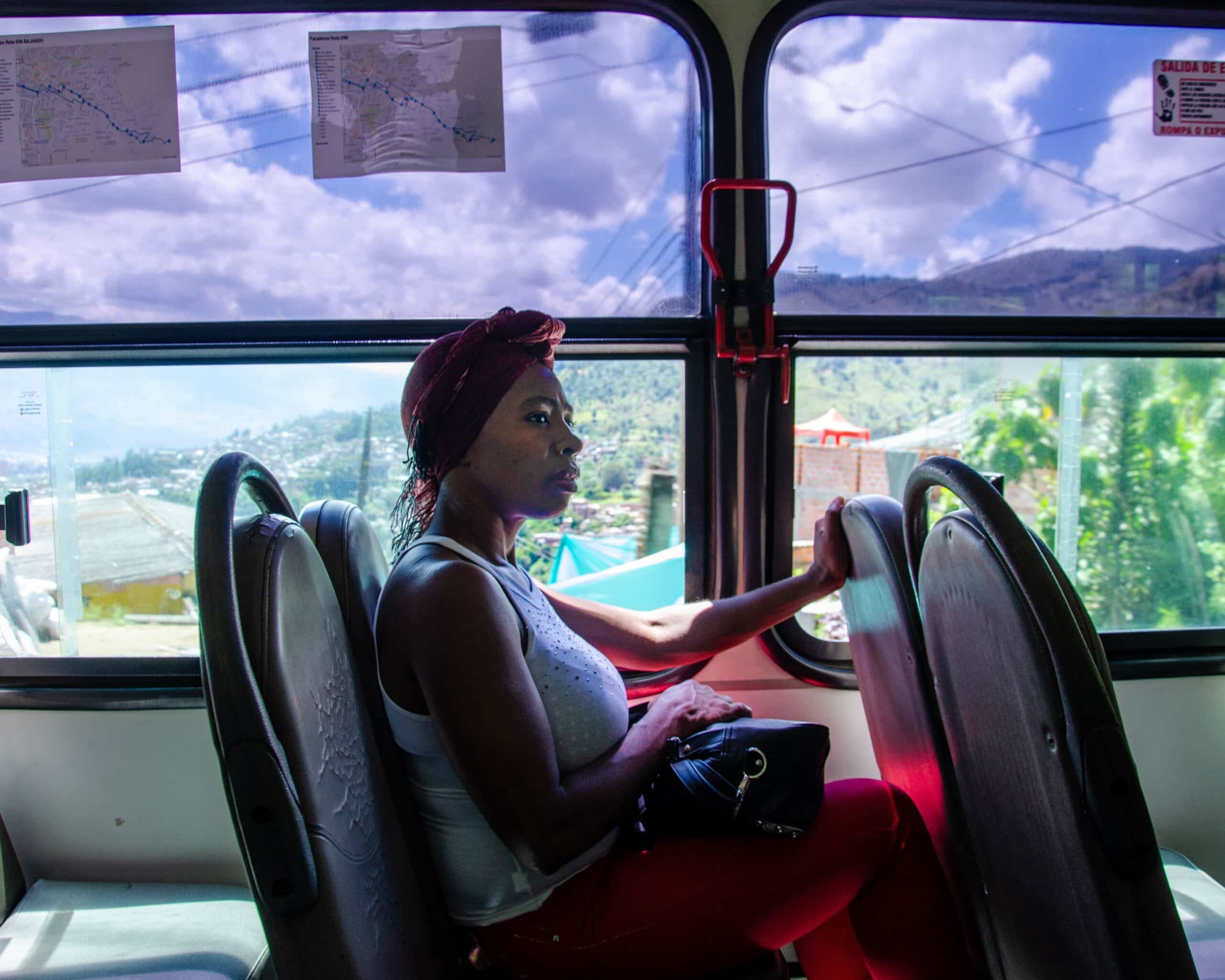 Transmedia projectInvisible CommutesColombia, Peru, Mexico
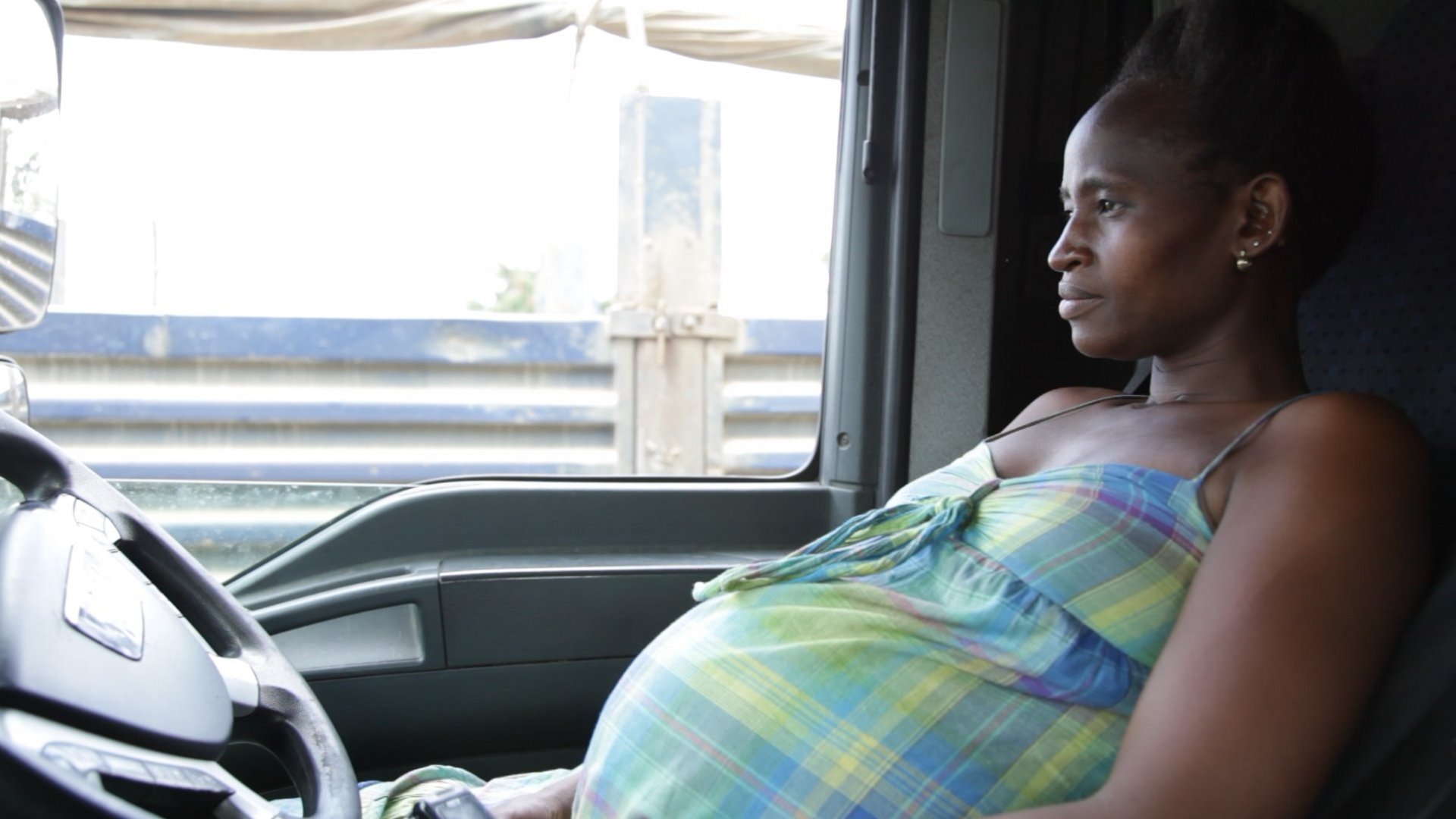 Documentary · KenyaTruck Mama

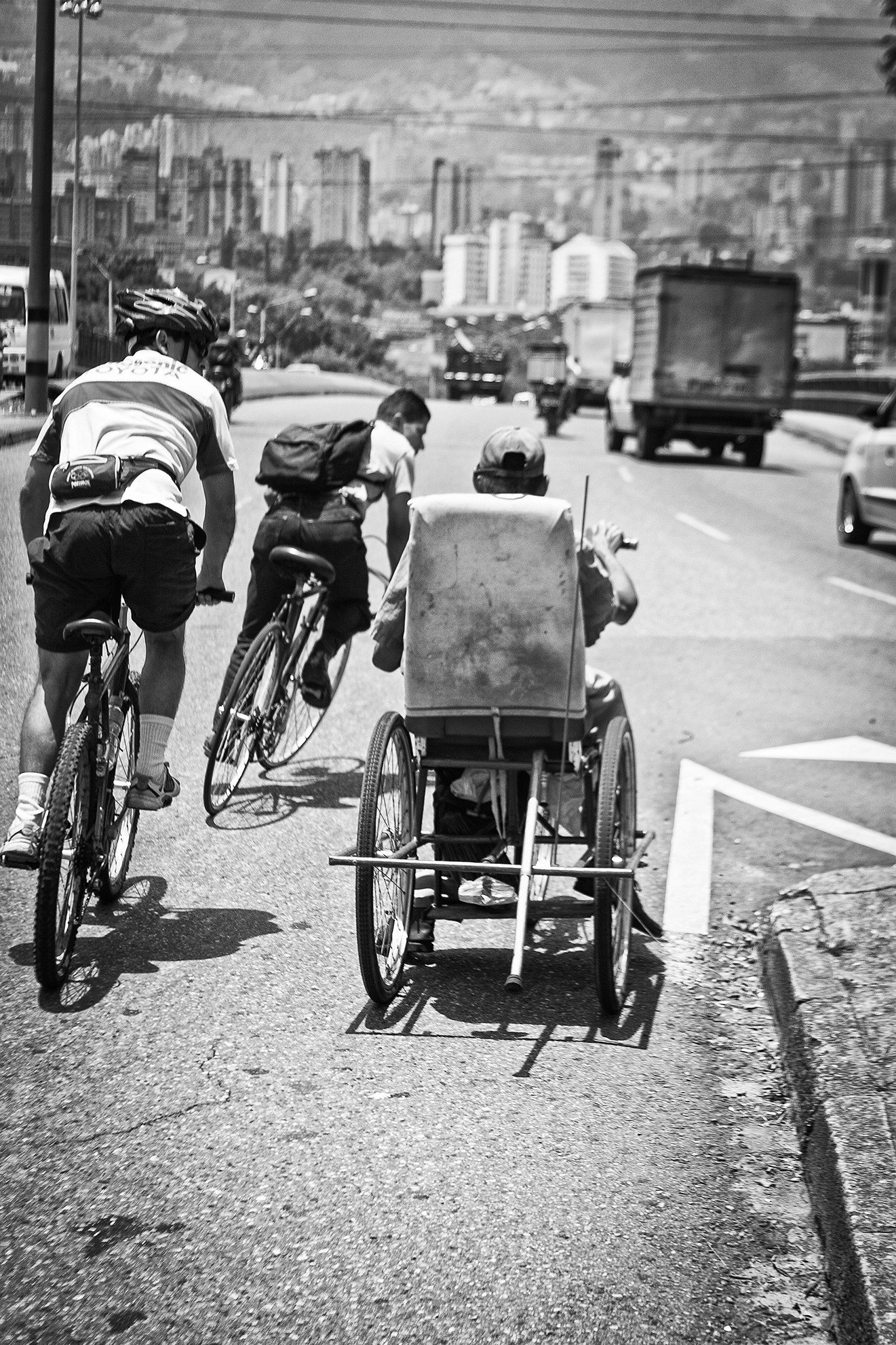
 Street photographyPeople in Motion45 photographers · 4 regions
 Collage · ChileThink twice
 Poem readingSana’a Khasawneh
 Collage · ChileChildhood heritage
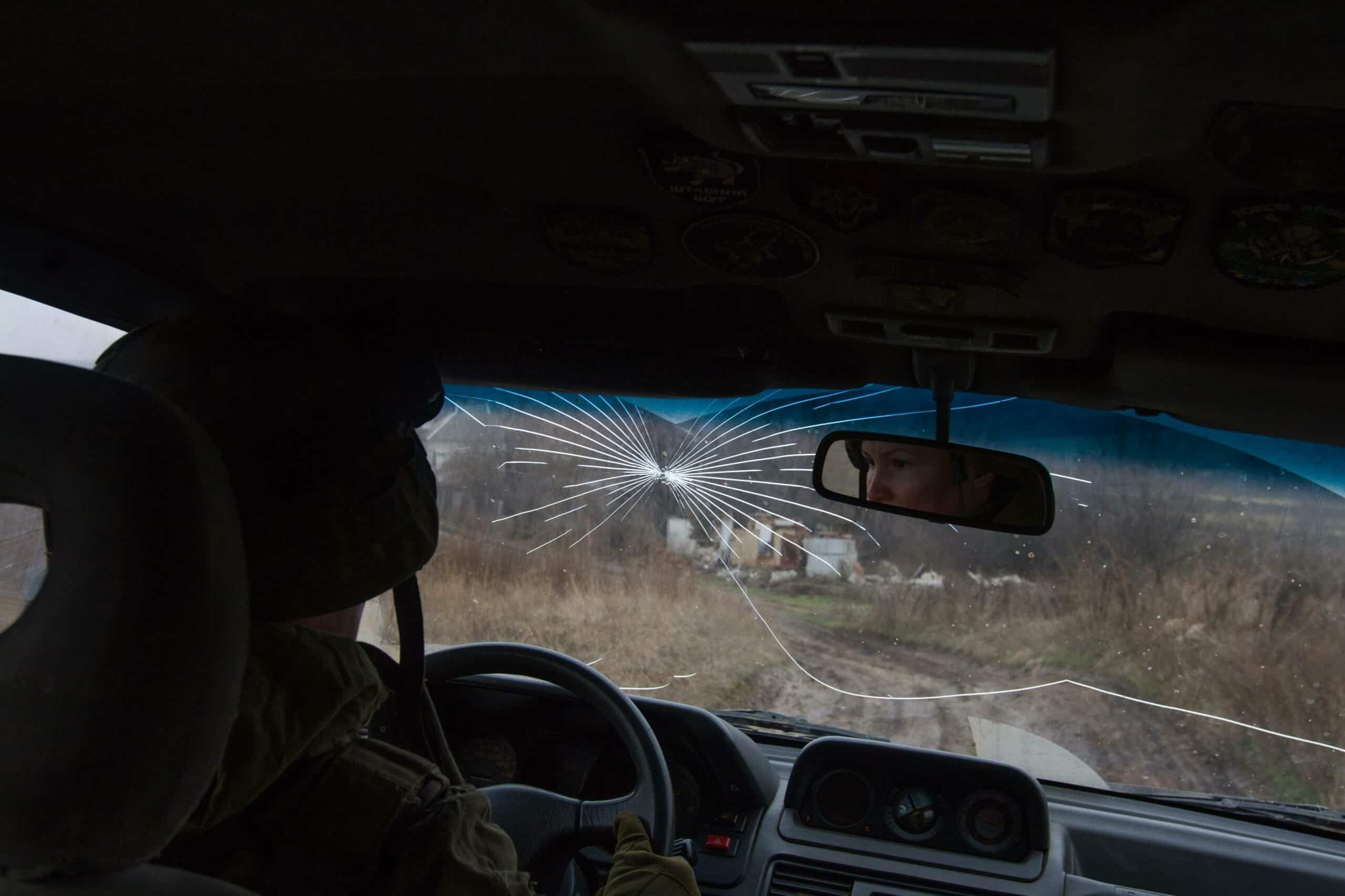 Photo exhibitionUkrainian Feminist Voices
Between the Curb and the Traffic
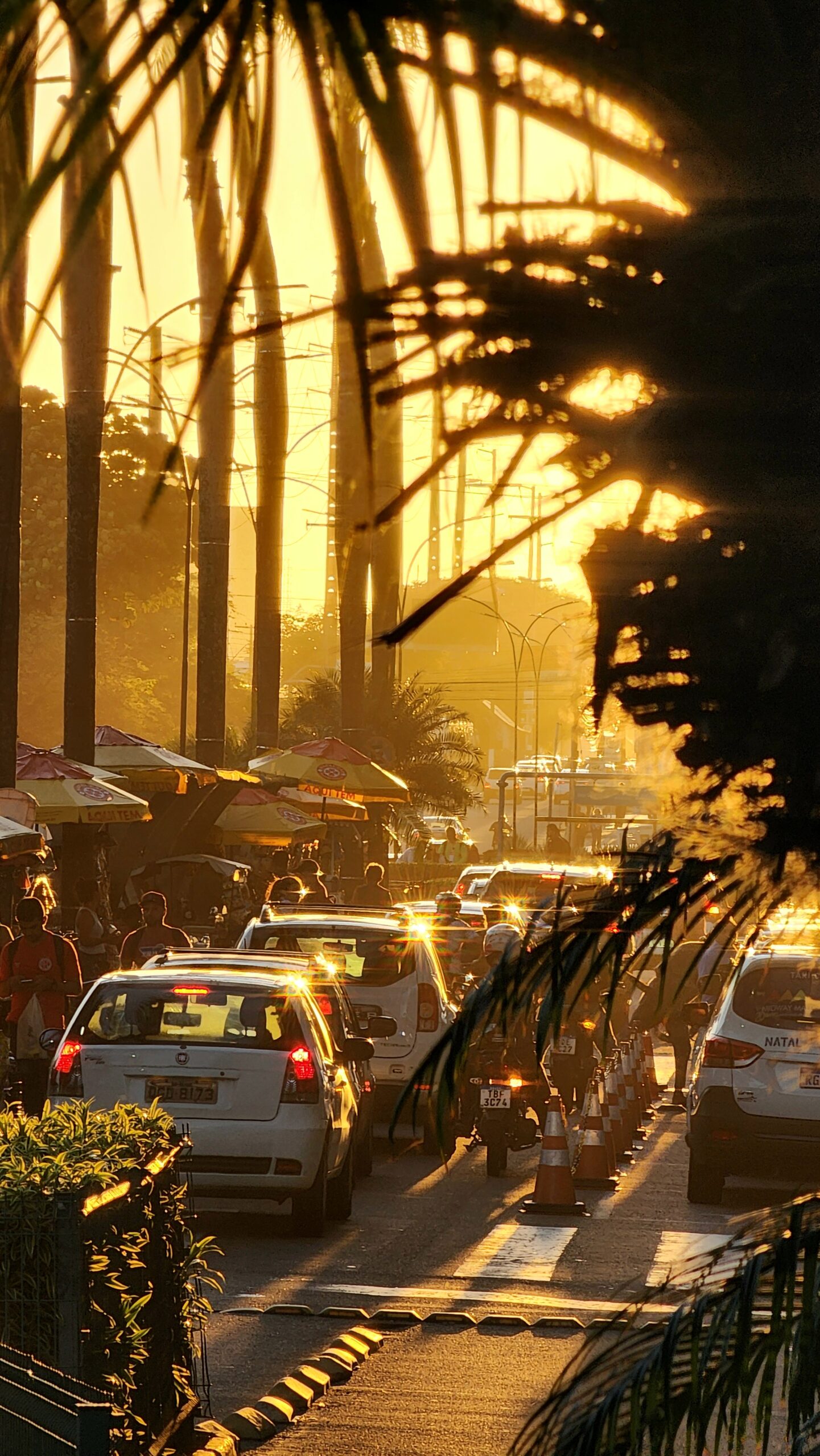
Photograph, Natal, Rio Grande do Norte, Brazil — André L. L. Toledo
Taken in Natal, a coastal city in northeastern Brazil, this photograph captures an ordinary scene that reveals an extraordinary contradiction. Sidewalks meant for pedestrians have been occupied by commercial structures, forcing people to walk in the roadway alongside taxis, ride-hailing vehicles, and motorcycles weaving through stopped traffic. Although a pedestrian crossing is visible, it remains largely ignored, while rows of traffic cones symbolize temporary attempts to manage a much deeper conflict over urban space.
E-Rickshaws: Lifeline of Last-Mile Connectivity
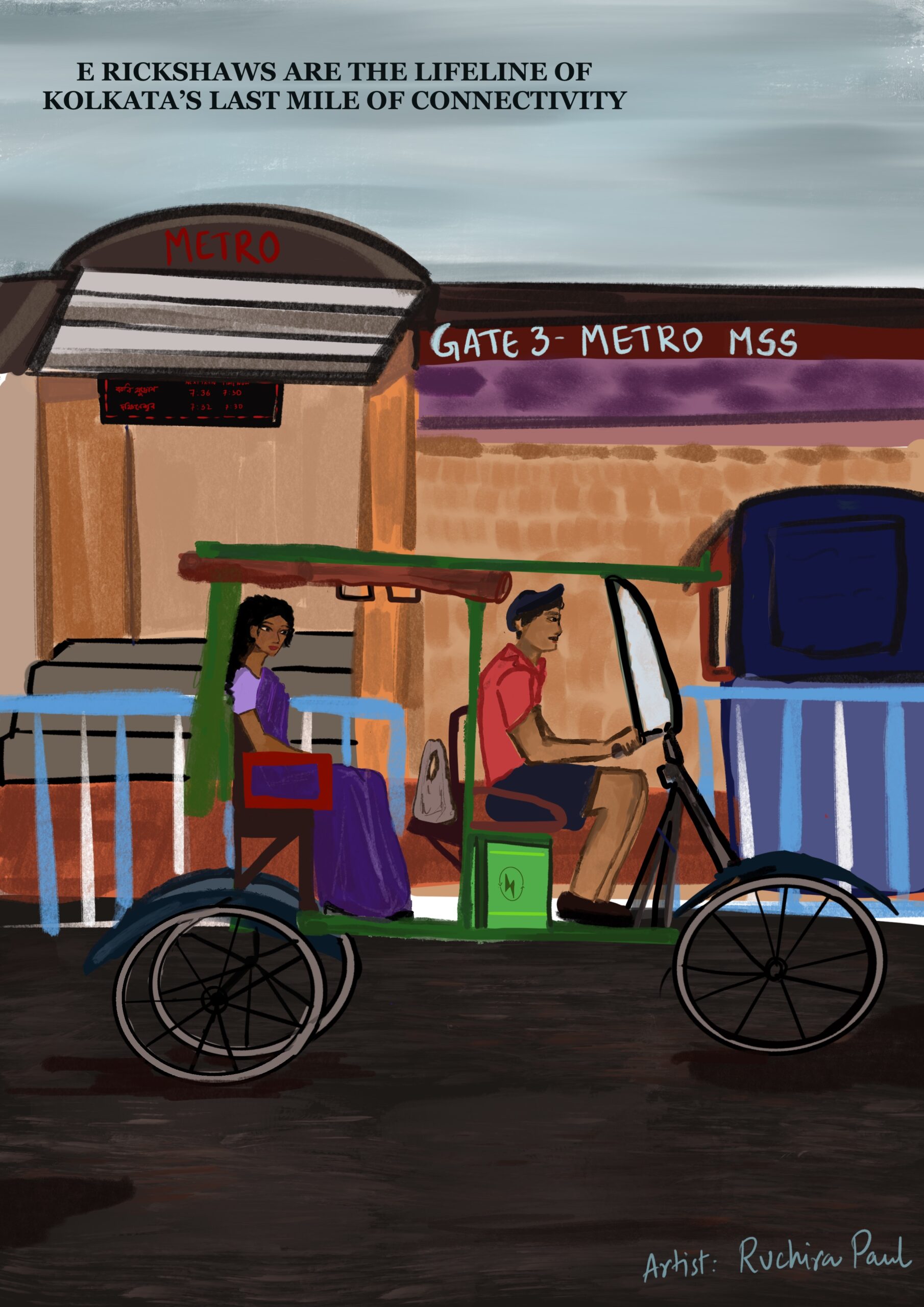
Digital illustration, Kolkata Metro, Gate 3 — Ruchira Paul
Kolkata hosts over 20 million people. Its metro carries up to 800,000 riders a day, but it is the Intermediate Public Transport system — small, mighty cycle-rickshaws, part of the city's story for over a century — that is the true lifeline of last-mile connectivity.
Four Hours to Baan Nor Lae
I felt the mountain not in my legs, but in the silence
whenever the van slowed. At the border's edge,
a farmer waited beside his field, shirt dark
with sweat, his face pared down by the sun.
his palms opened like old, split earth.
He stood without spectacle, watching rows
as though listening for something beneath leaves.
Rain, he said, arrived before crops were ready,
He named no disaster, only watched the sky,
the field, then sky again—the way a man
watches a clock after the hour passes,
measuring what is gone against what remains.
already waiting for a place on the page.
He had a harvest waiting for a road:
four hours between the field and the market,
long enough for vegetables to bruise in crates,
The road did not shorten for a full day's work;
it only carried his labor farther from him.
I raised my camera. His hands entered the frame:
blackened nails, cracks along the palm,
I thought a lens could hold them—his face,
the field, the weather gathering behind us.
Then I lowered the glass. What can be taken
from a man whose hands have given everything?
until only asphalt remained between windows.
I thought of the Cordilleras, the wide plains
of Central Luzon, the valleys down south.
His field belonged to a foreign landscape,
hands in soil, life suspended between weather.
I had crossed an ocean to recognize a silence
already settling at home. Perhaps the road carries
more than crops, fuel, and bodies:
his hands and the world travels farther
than any harvest. Four hours of rain, and beyond
the last bend, the road keeps asking who gets
to arrive with their labor still belonging to them.
Four Hours to Baan Nor Lae
I felt the mountain not in my legs, but in the silence
whenever the van slowed. At the border's edge,
a farmer waited beside his field, shirt dark
with sweat, his face pared down by the sun.
his palms opened like old, split earth.
He stood without spectacle, watching rows
as though listening for something beneath leaves.
Rain, he said, arrived before crops were ready,
He named no disaster, only watched the sky,
the field, then sky again—the way a man
watches a clock after the hour passes,
measuring what is gone against what remains.
already waiting for a place on the page.
He had a harvest waiting for a road:
four hours between the field and the market,
long enough for vegetables to bruise in crates,
The road did not shorten for a full day's work;
it only carried his labor farther from him.
I raised my camera. His hands entered the frame:
blackened nails, cracks along the palm,
I thought a lens could hold them—his face,
the field, the weather gathering behind us.
Then I lowered the glass. What can be taken
from a man whose hands have given everything?
until only asphalt remained between windows.
I thought of the Cordilleras, the wide plains
of Central Luzon, the valleys down south.
His field belonged to a foreign landscape,
hands in soil, life suspended between weather.
I had crossed an ocean to recognize a silence
already settling at home. Perhaps the road carries
more than crops, fuel, and bodies:
his hands and the world travels farther
than any harvest. Four hours of rain, and beyond
the last bend, the road keeps asking who gets
to arrive with their labor still belonging to them.
The poem follows a four-hour journey through Thailand to a farmer whose harvest must travel the same road from field to market. What begins as a physical journey becomes a reflection on who bears its costs, and what happens when distance becomes part of the price of labor.
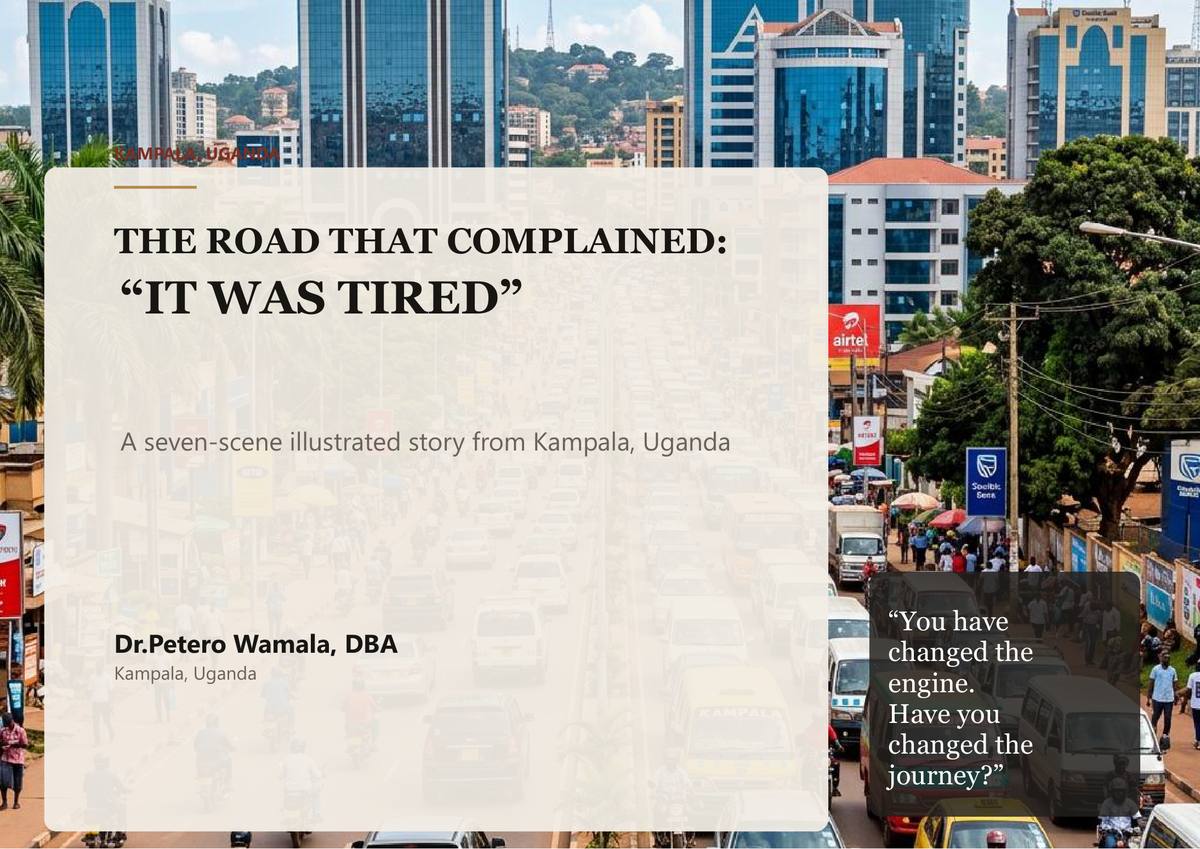
The Road That Complained It Was Tired
A seven-scene illustrated story — swipe or use the arrows to page through it.


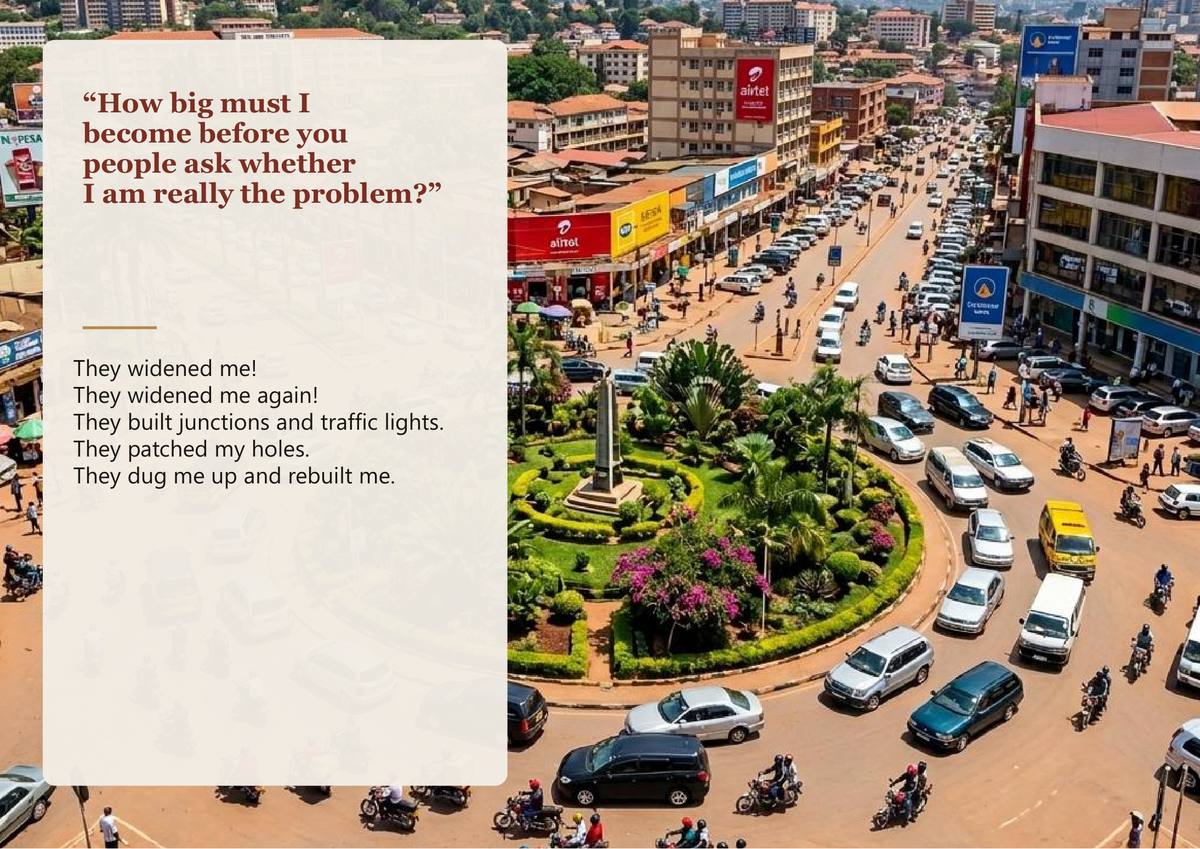


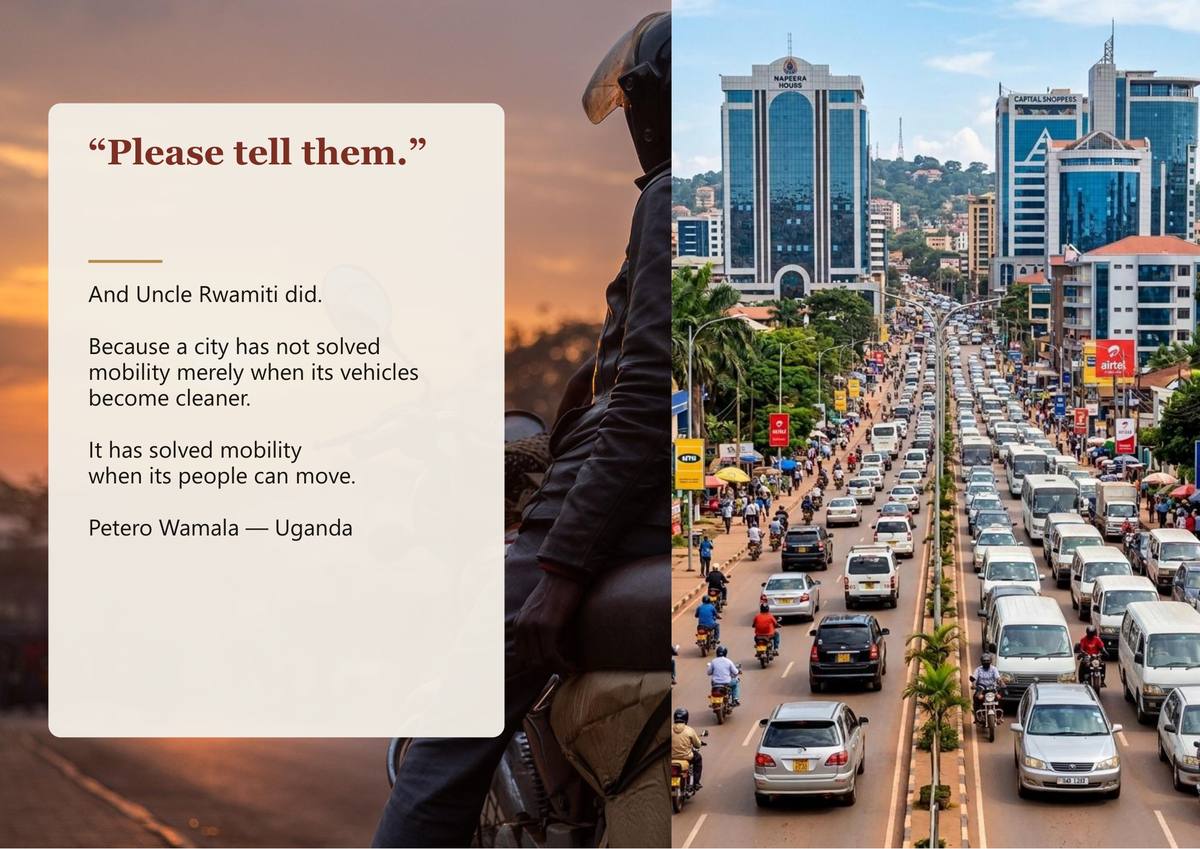
A seven-scene illustrated story set on the streets of Kampala. One morning, Uncle Rwamiti discovers that the road beneath his feet can speak — tired not from carrying traffic, but from being blamed for a mobility problem larger than itself.
Invisible Commutes
A collective giving visibility to the mobility struggles of domestic workers across Latin America — more than 14 million women whose daily commutes are rarely part of the transport conversation, and whose right to the city is still to be won.
Begun as Valentina Montoya Robledo's doctoral research into how domestic workers travel through public transport in Bogotá, Medellín and São Paulo, it grew — with producers Andrés González Robledo and Daniel Gómez Restrepo — into a body of documentary storytelling, research and workshops, formalized as a corporation in 2023.
Truck Mama
Eva, a Kenyan truck driver, has chosen a path that remains rare in her world. Transporting goods across long distances and carrying the weight of responsibility on her own, she faces confusion from a family that can't quite grasp her decision.
Behind the wheel, Eva finds more than work: driving means dignity and independence, despite dusty routes and the pull of family expectations. A portrait of a woman forging her own way forward, on the road she chose.
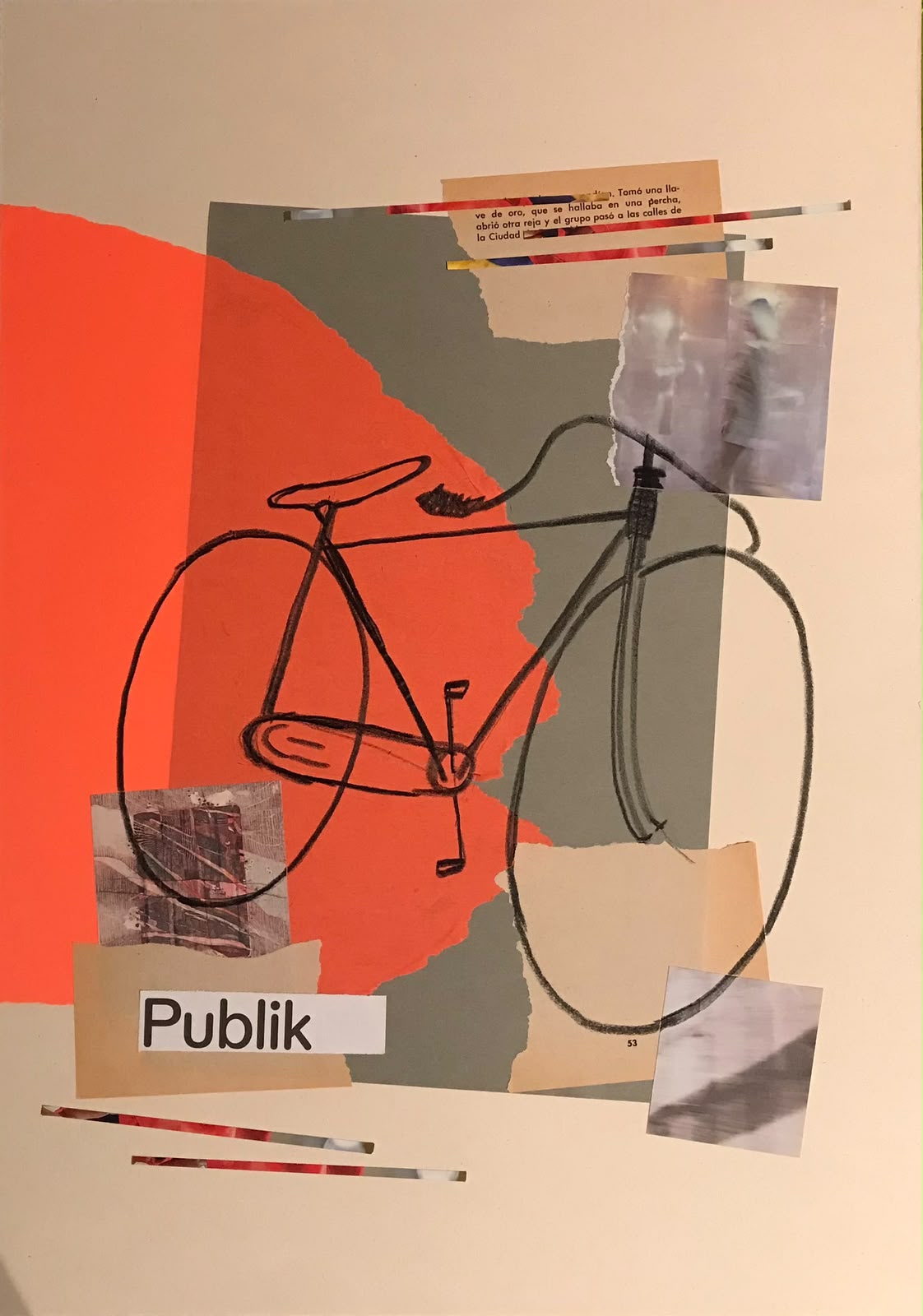
Think twice
Collage — Chile
Think twice
It’s about collective responses to public issues. Biking as a human-scale means of transportation brings opportunities to connect, and a speed of movement that keeps human-to-human accountability. Climate friendly for the planet and the human soul. Active mobility that motivates active thinking, a sense of emotions and accountability.
Andrea Palma is an architect (Universidad de Valparaíso) with a Master’s degree in International Relations from Richmond International University of London. She worked for twelve years in Chile’s public sector — at the Municipality of Coquimbo on public infrastructure design, at the Ministry of Education on the implementation of public policies, and at the Ministry of Construction as project manager of an urban regeneration project — and has international experience in an urban development project in Kunming, China, and in project management in London. She joined GIZ in 2016 as national advisor for the global project Cities Fit for Climate Change and is currently technical advisor for the EUROCLIMA+ Urban Mobility Component, supporting the development of a National Urban Mobility Programme (NUMP) in Chile and a National E-mobility Strategy in Uruguay.
Childhood heritage
Collage — Chile
Childhood heritage
Growing up listening to my grandpa talking about opening airways to cross the Pacific made me wonder about new lands, exotic experiences and unimaginable worlds. What stayed in my soul was the dream of extraordinary encounters, understanding the world as a changing process and seeking connections to play my part. Now accountable to climate change in transport, we are building a new narrative towards de-fossilising aviation; however, we are still building connections to belong to a world that crosses horizons and reaches a diversity of stories… somehow keeping childhood wonder alive.
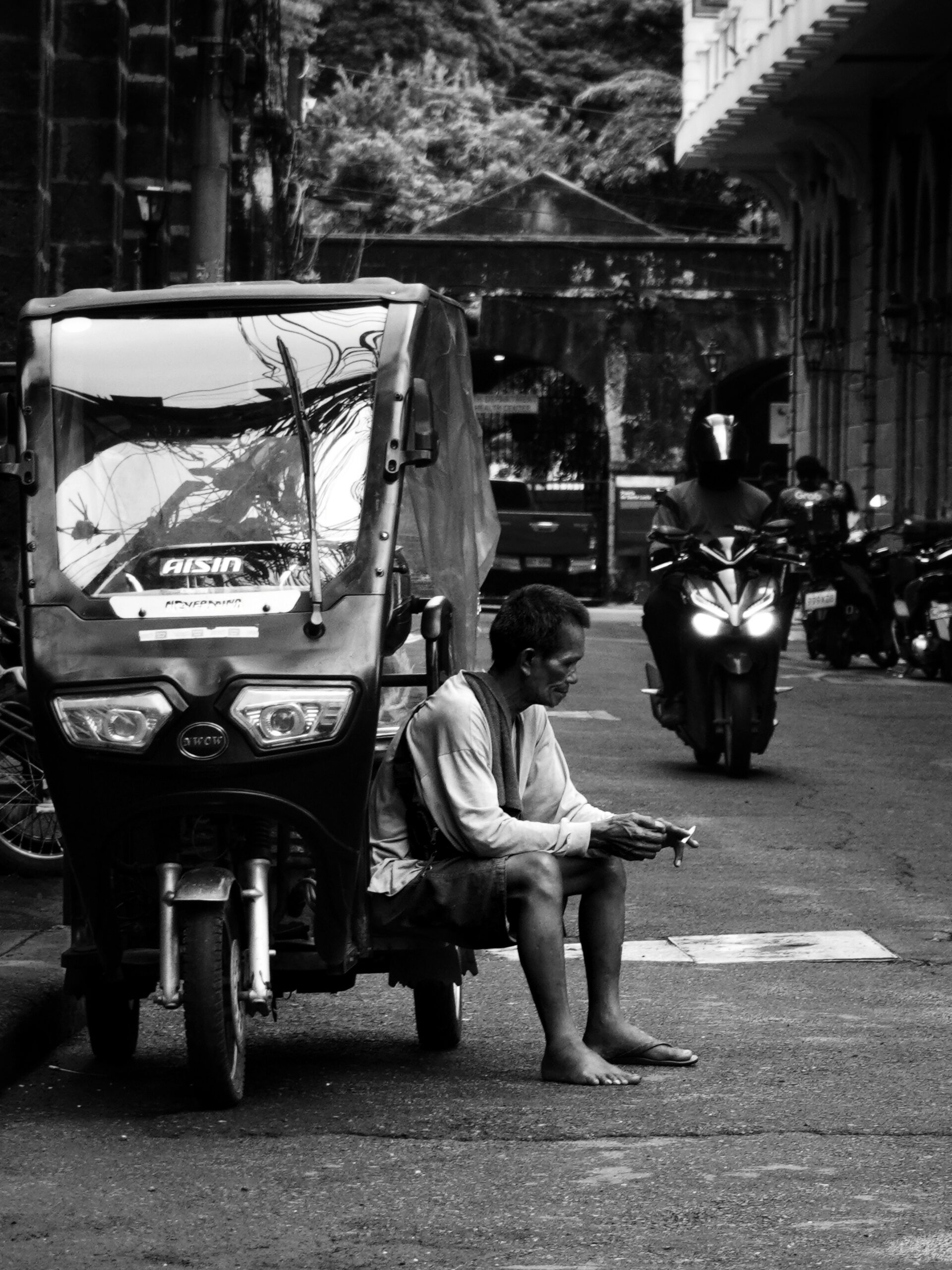
People in Motion
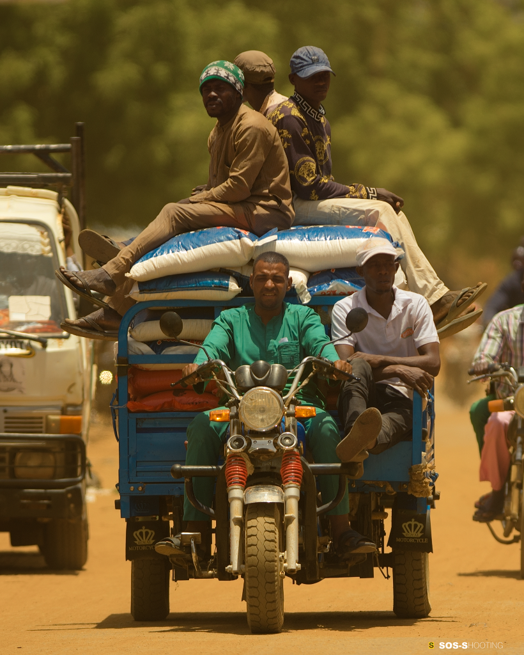
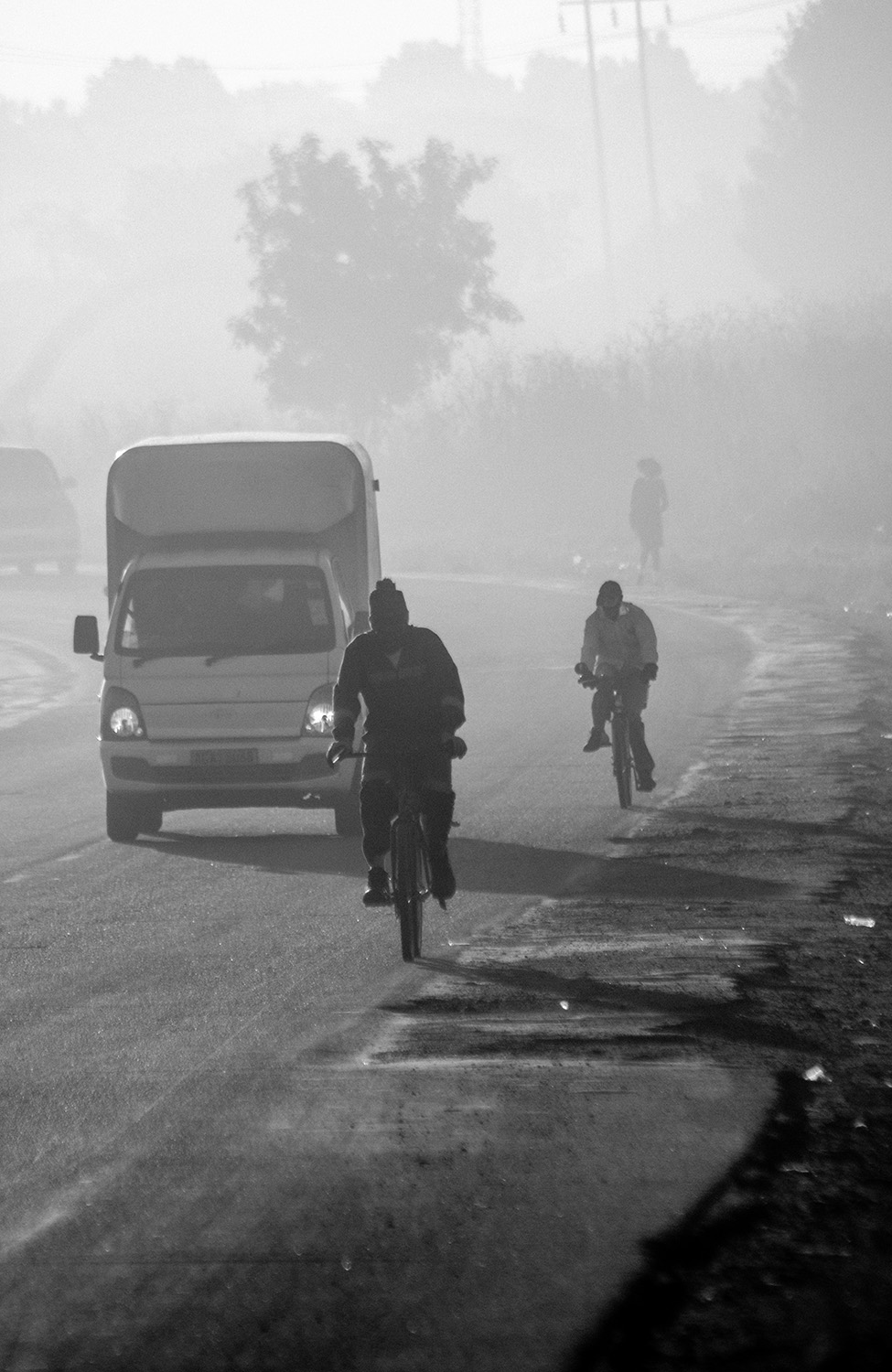
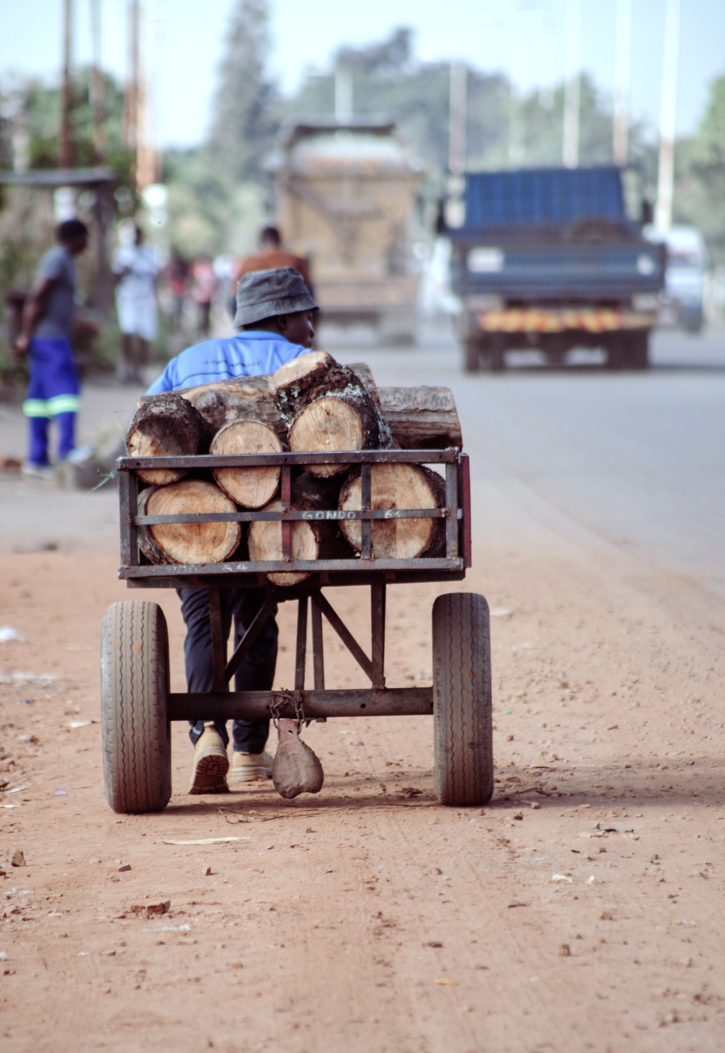
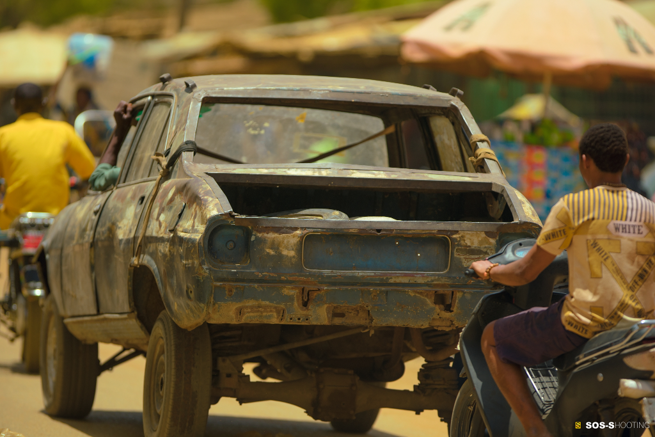
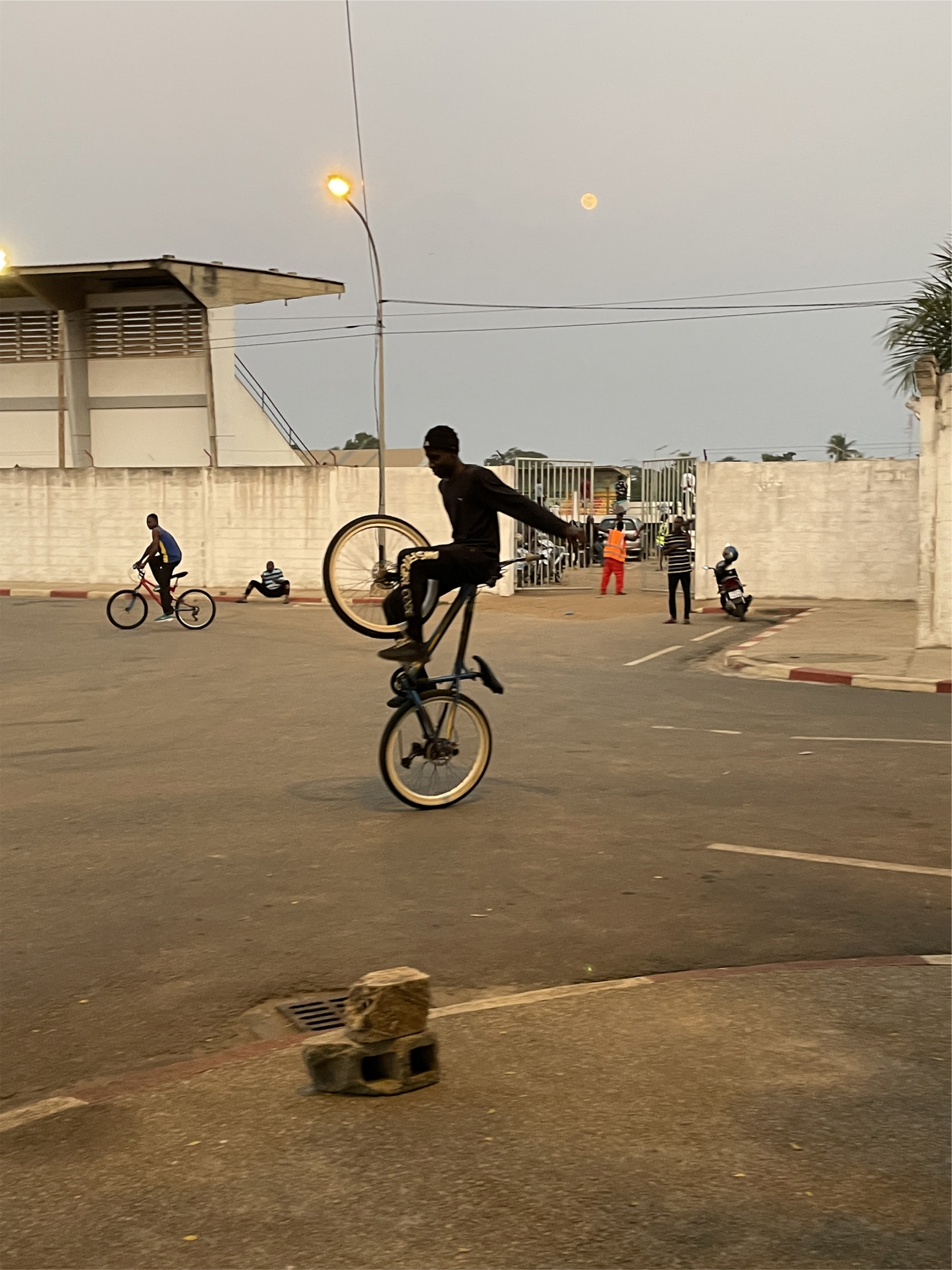
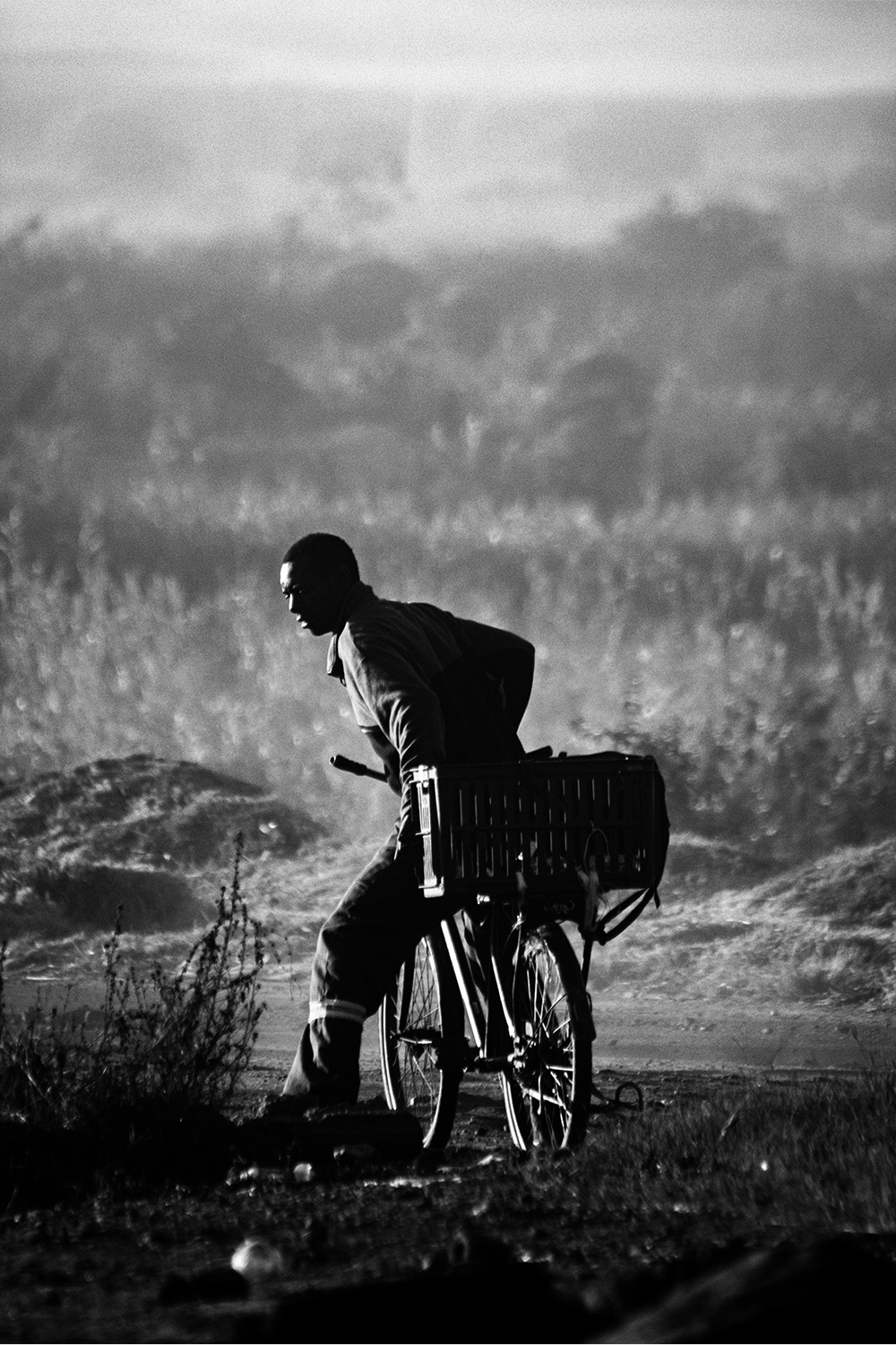
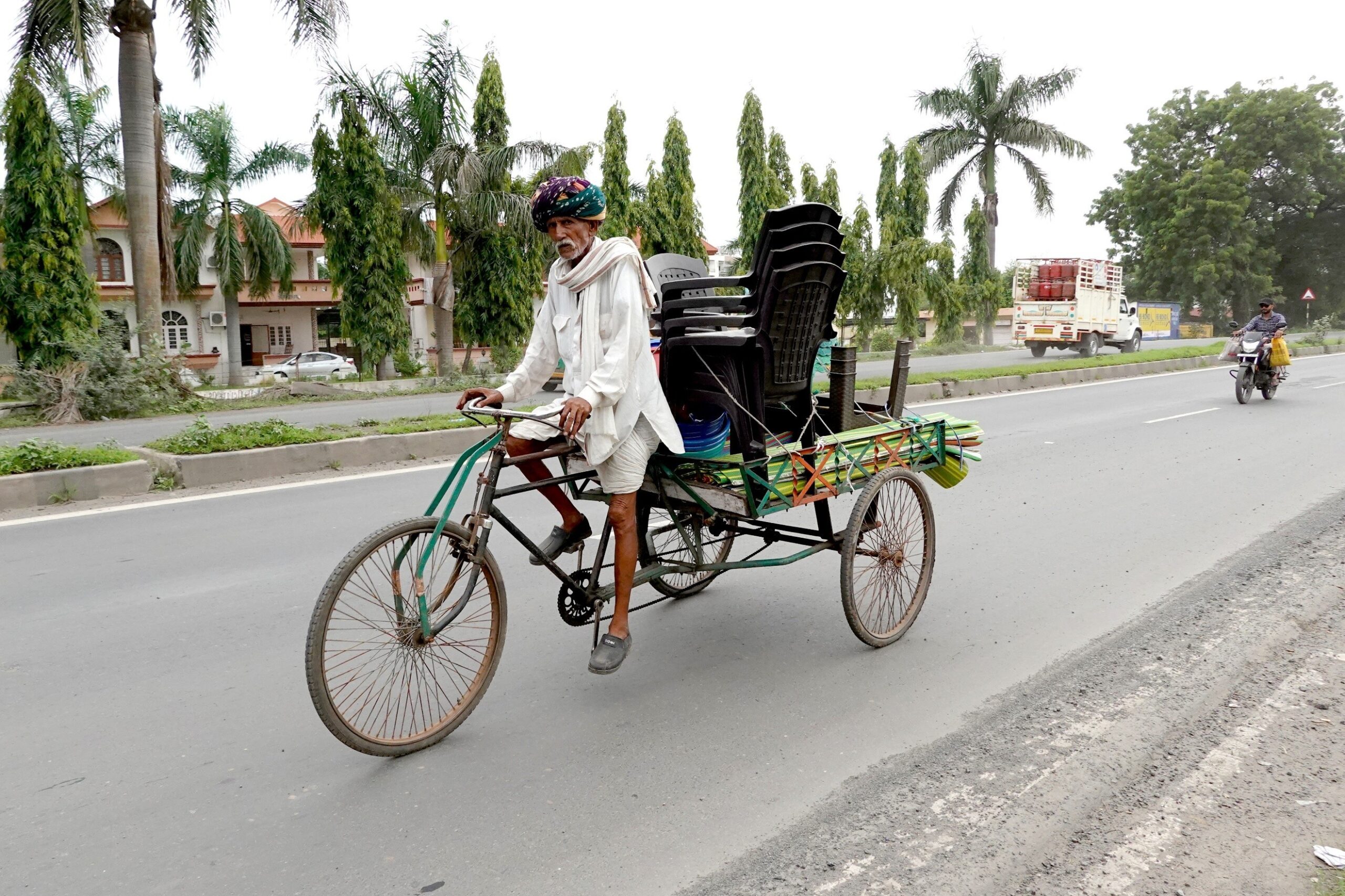
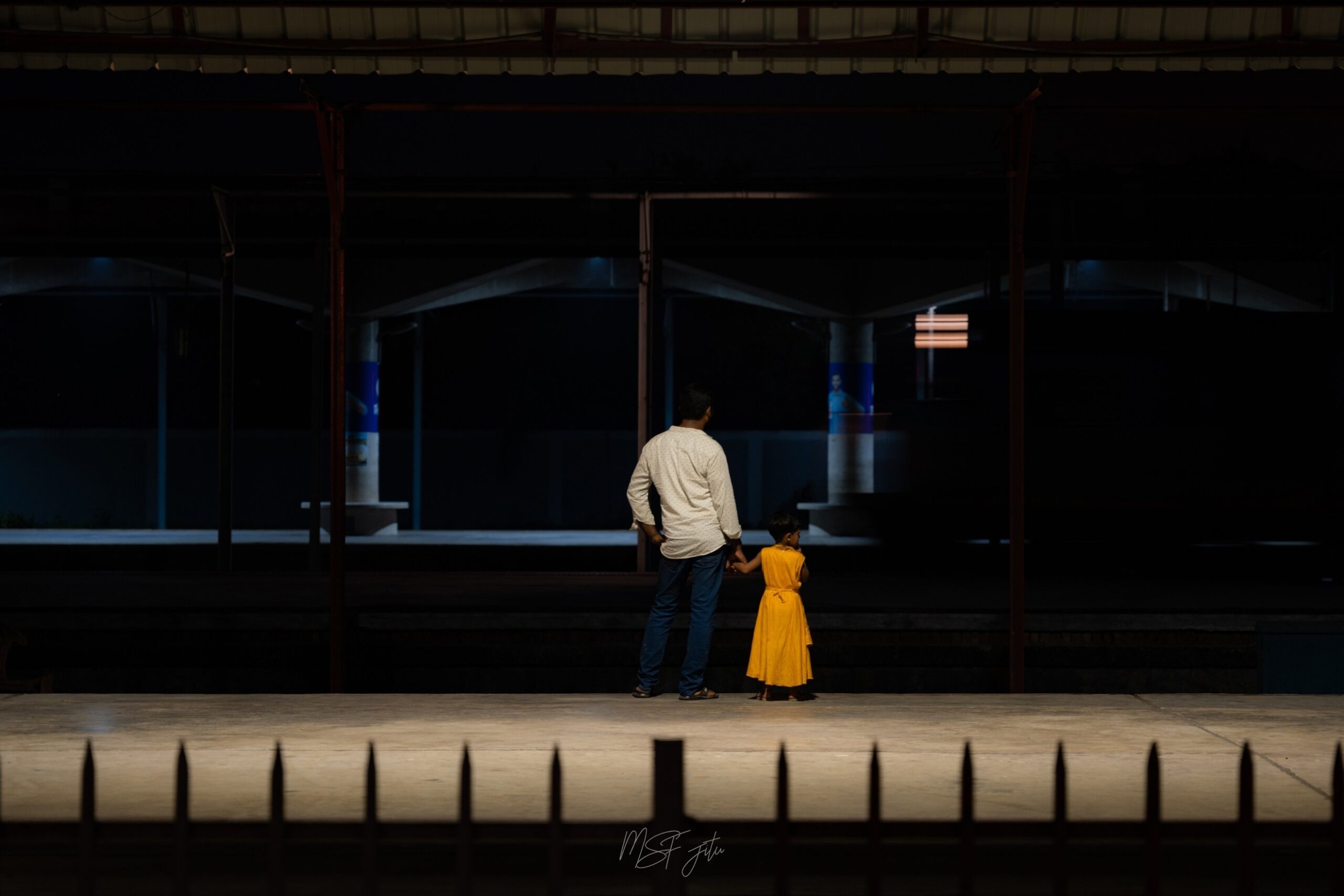
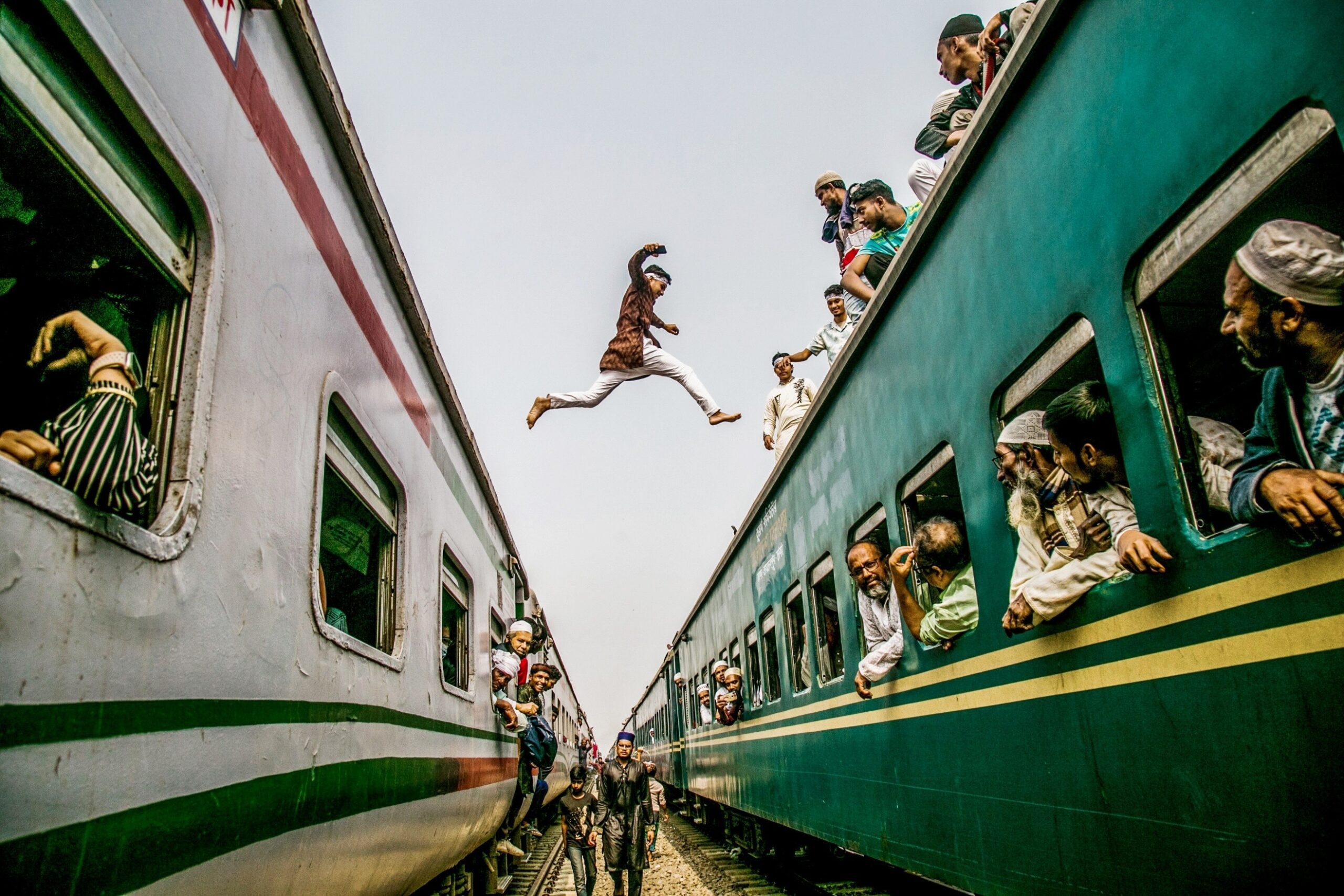
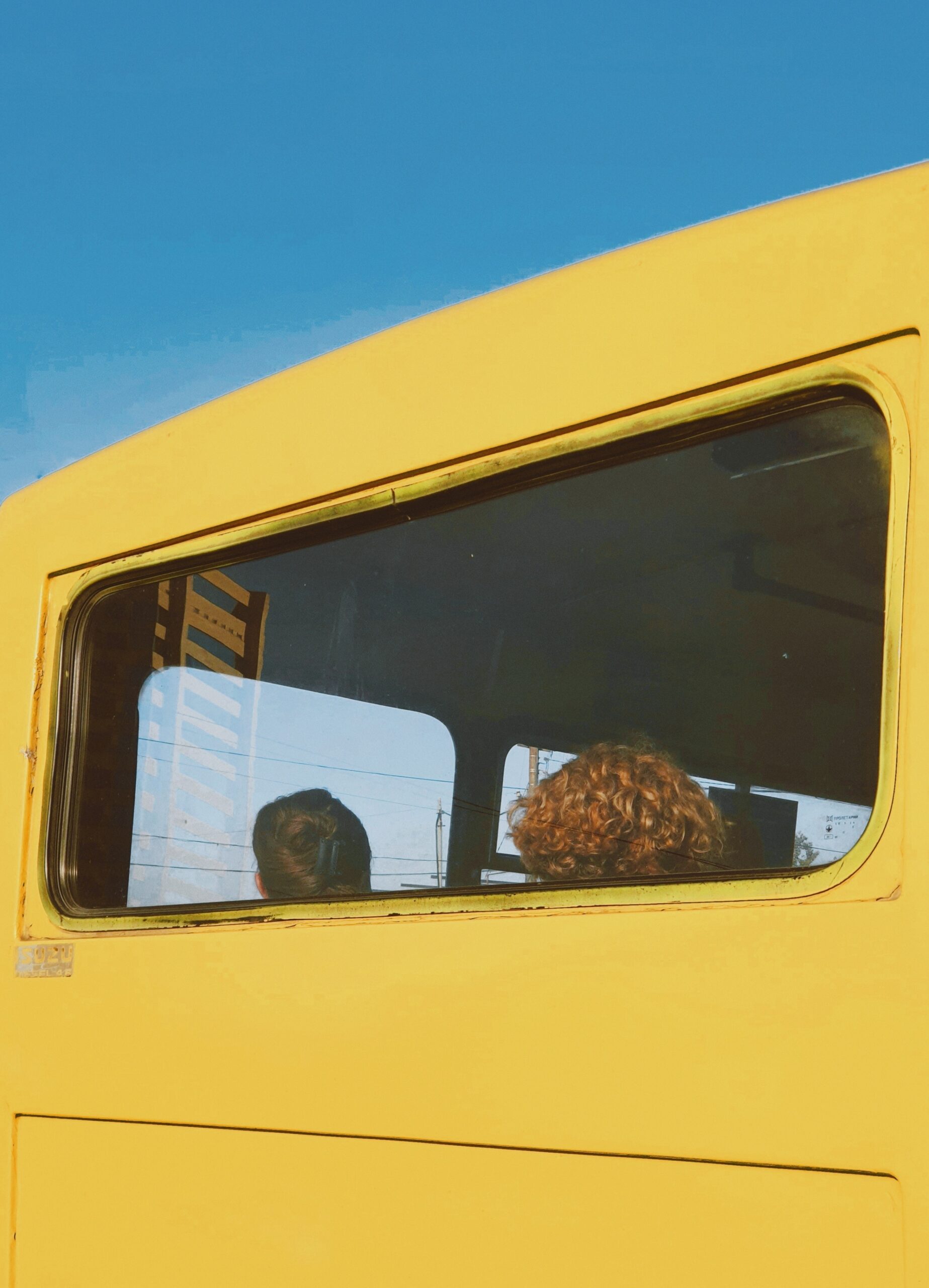
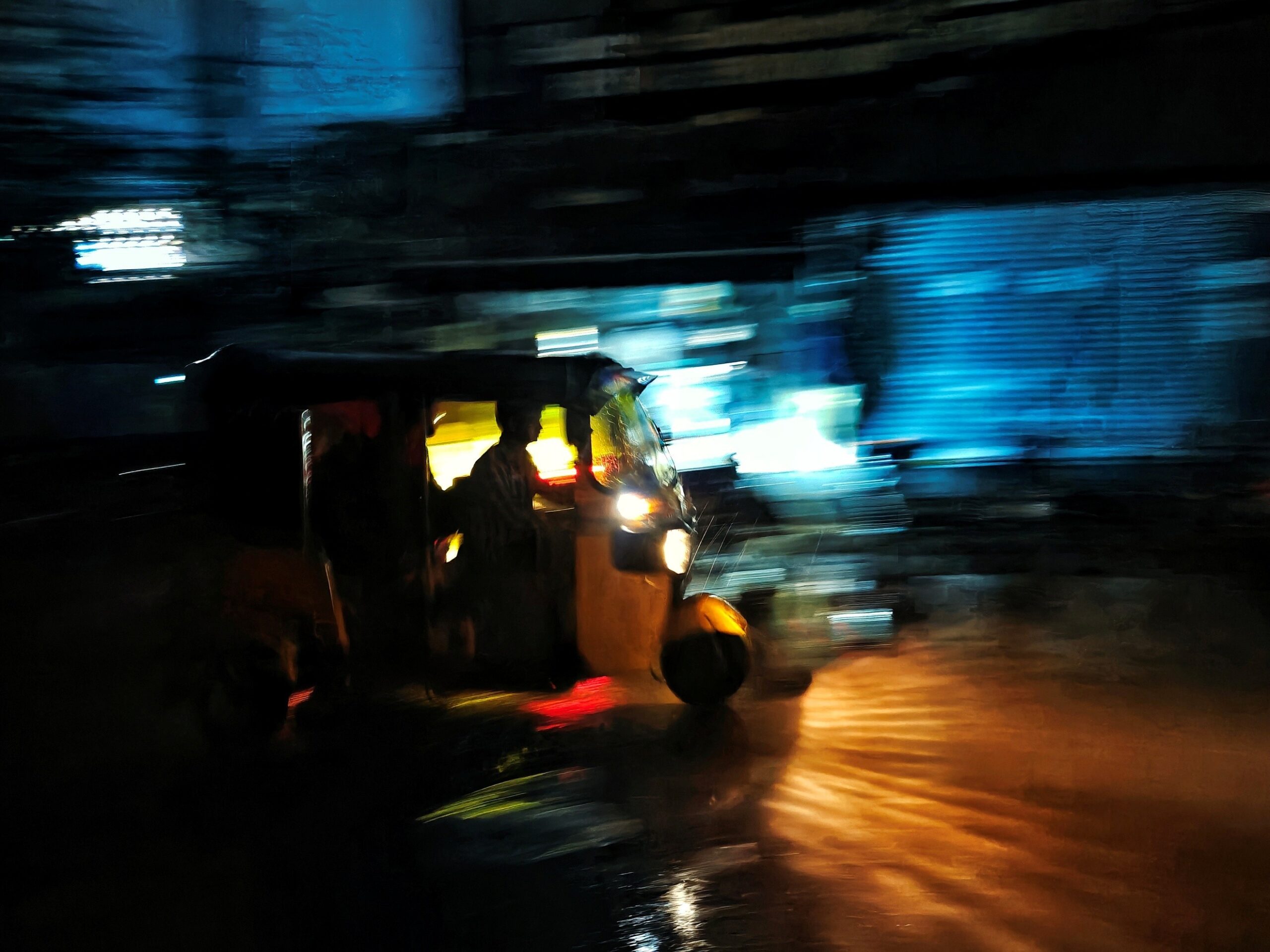
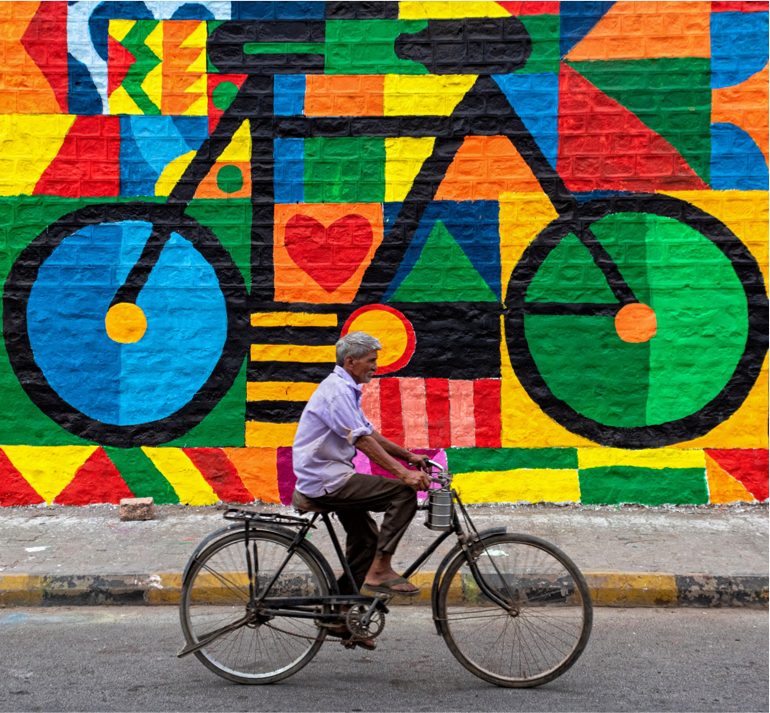
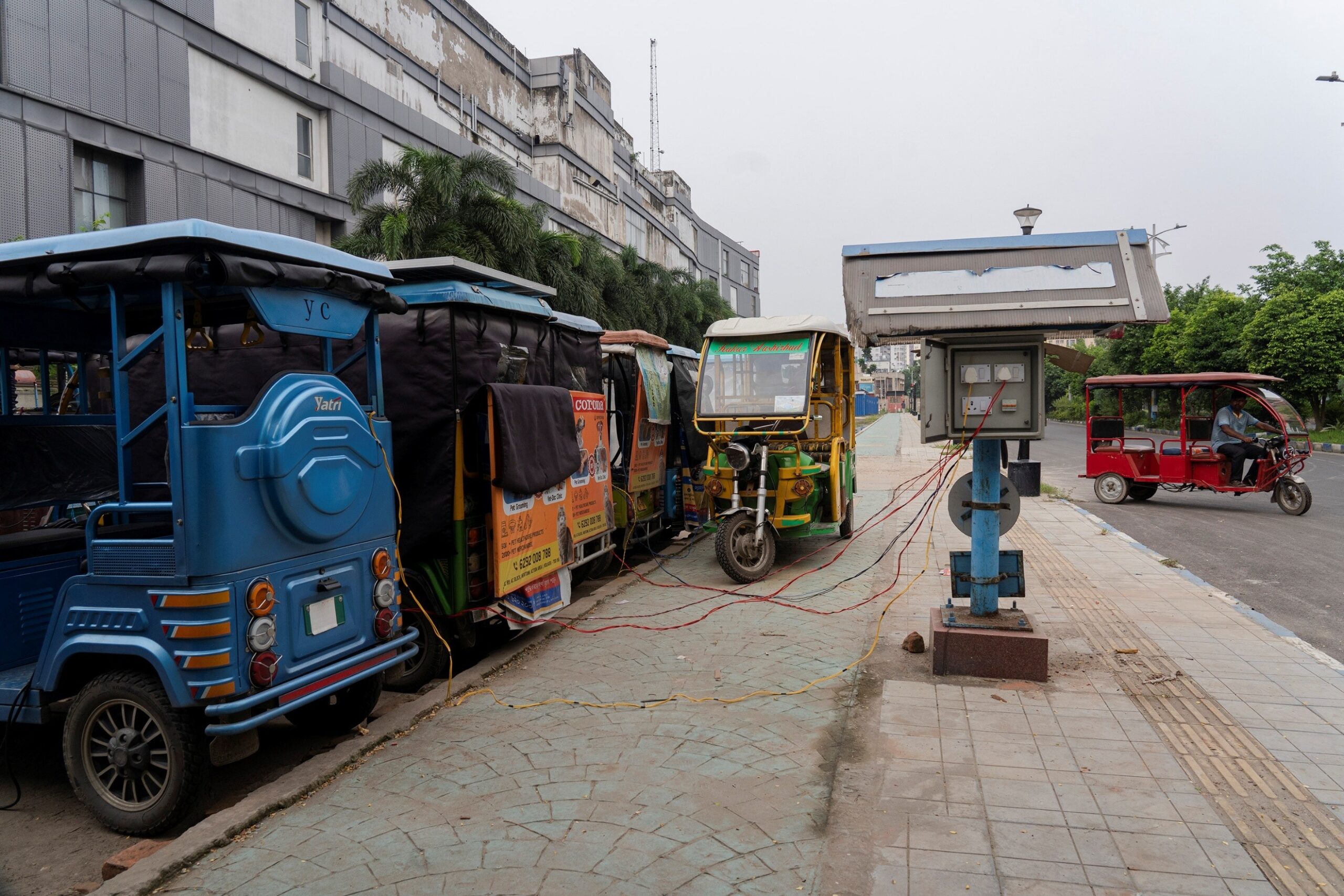
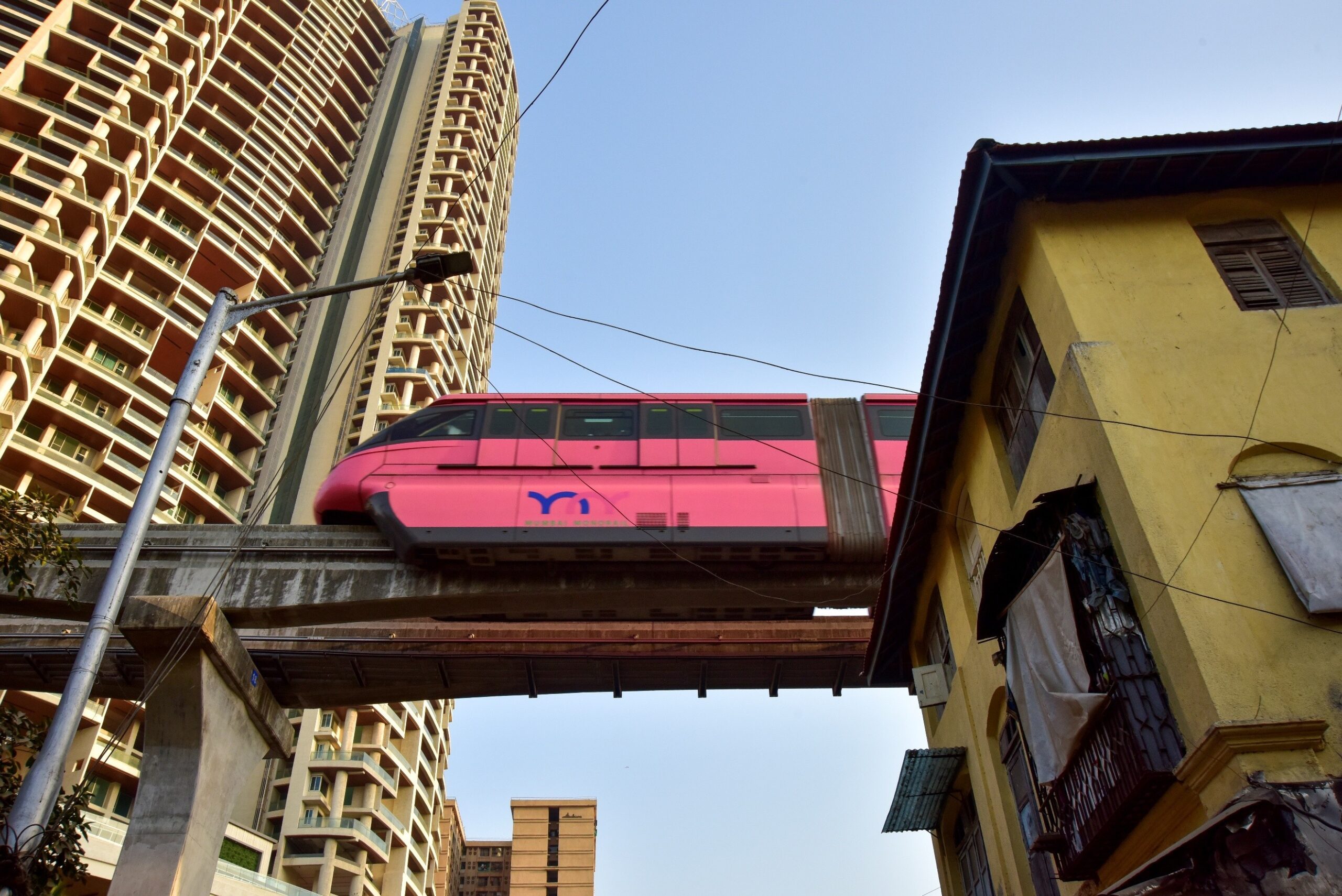
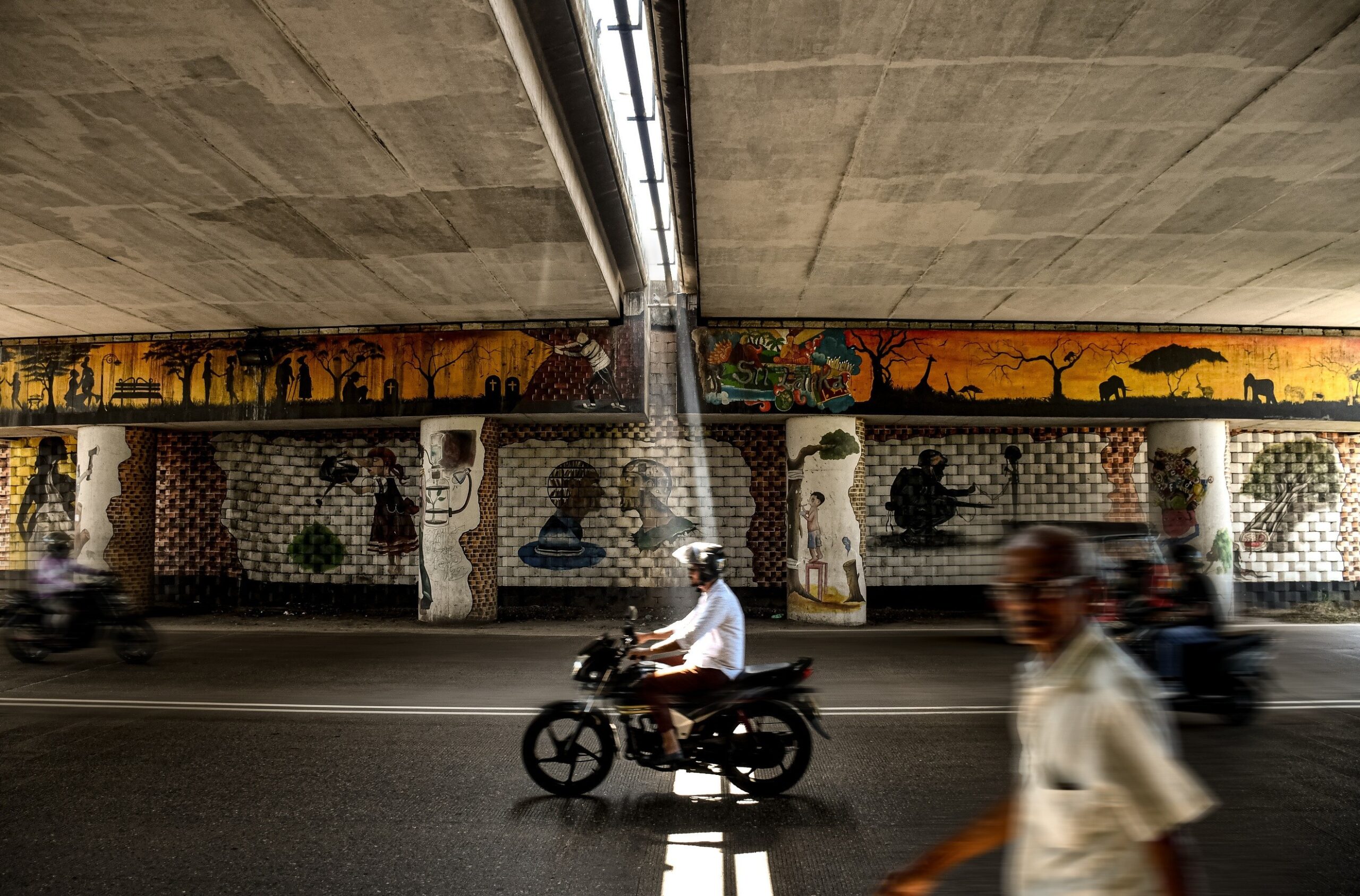
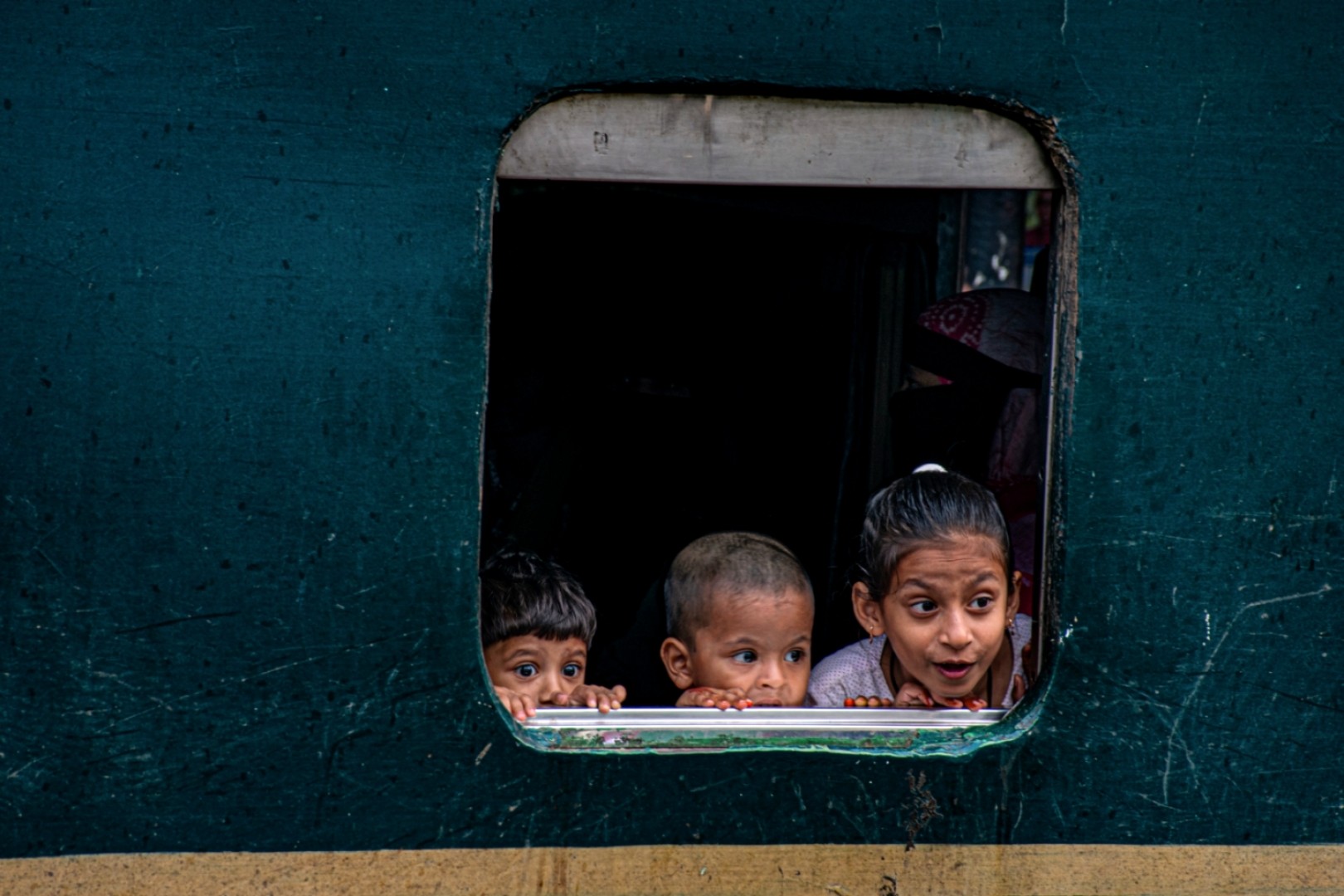
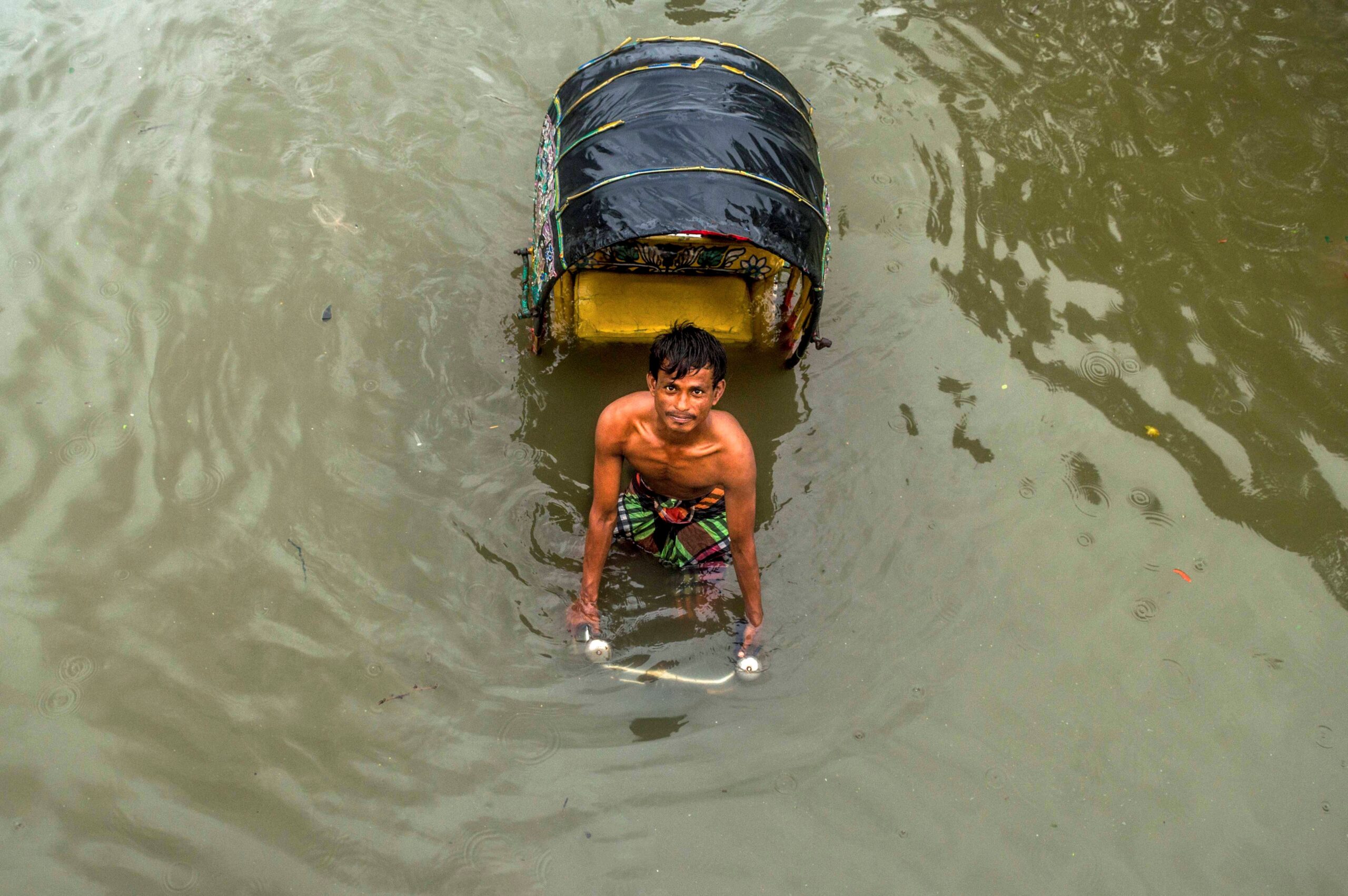
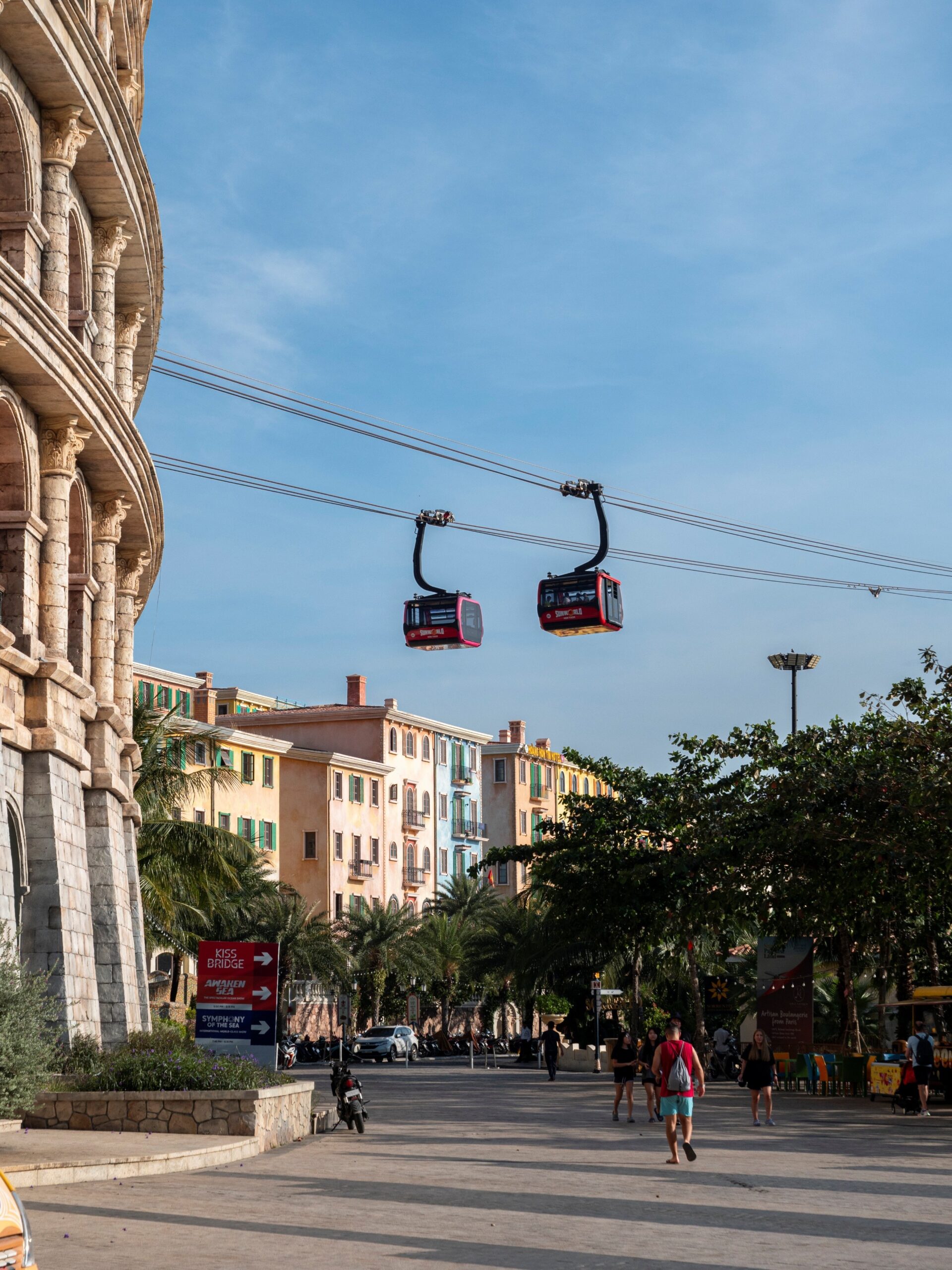
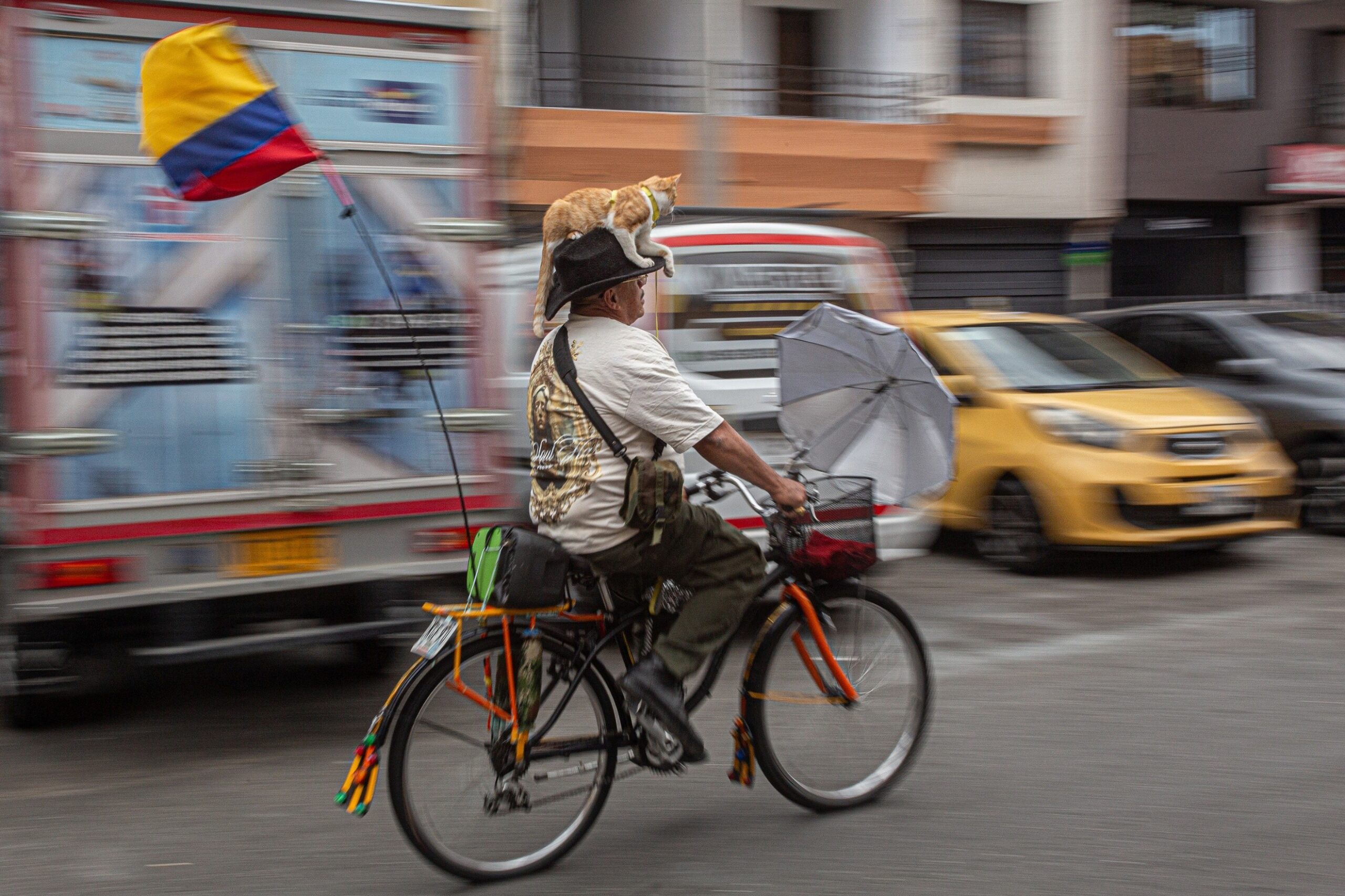
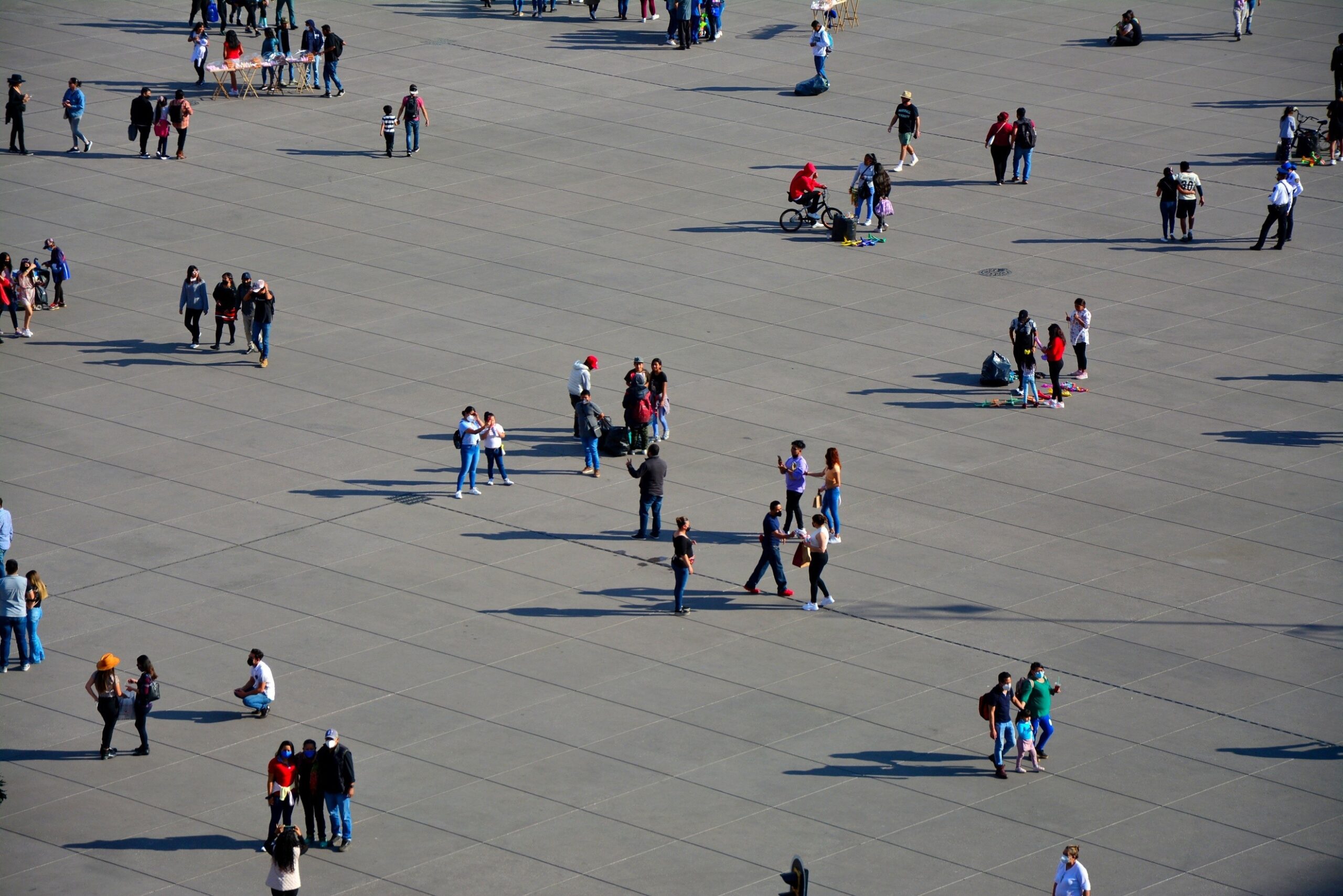
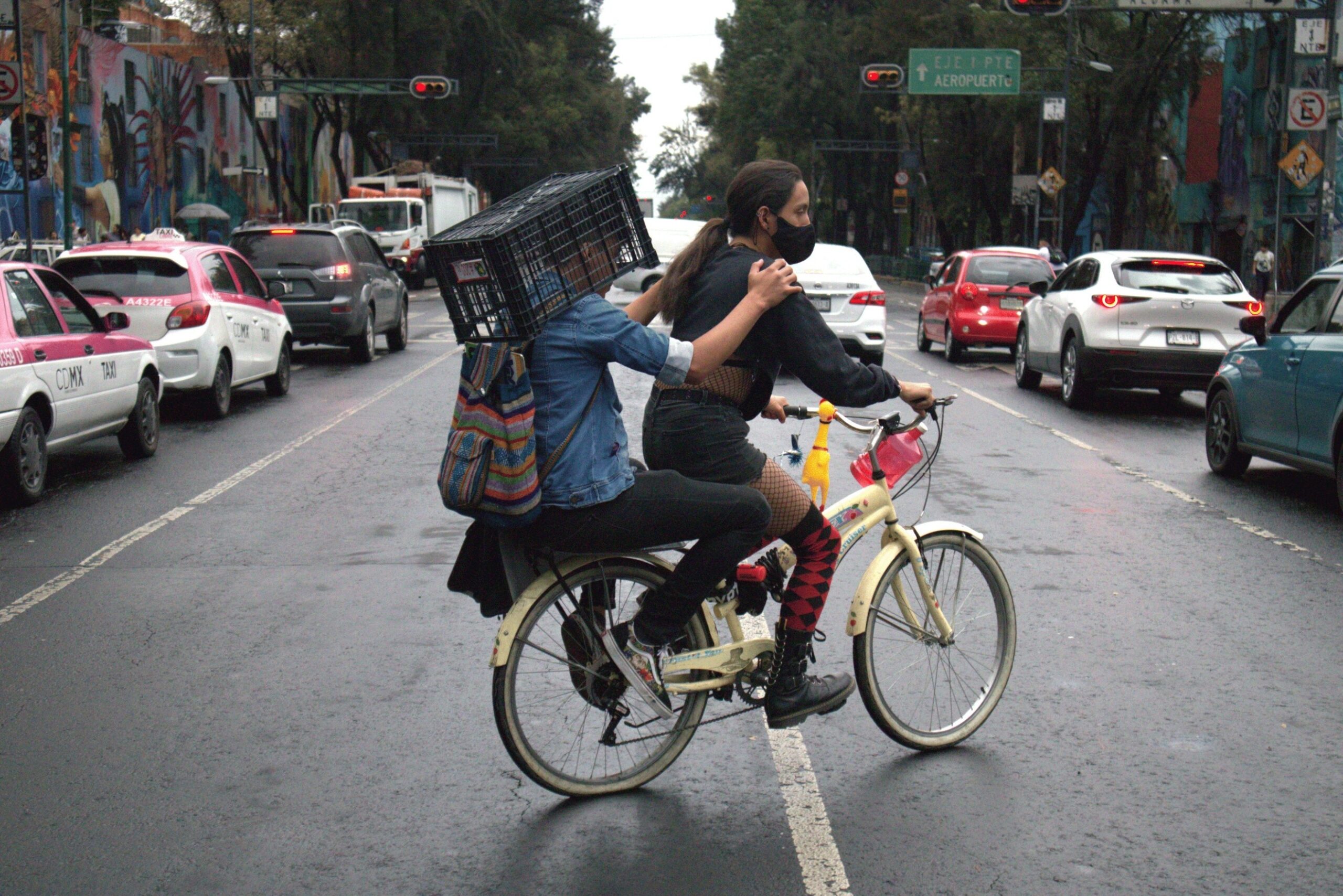
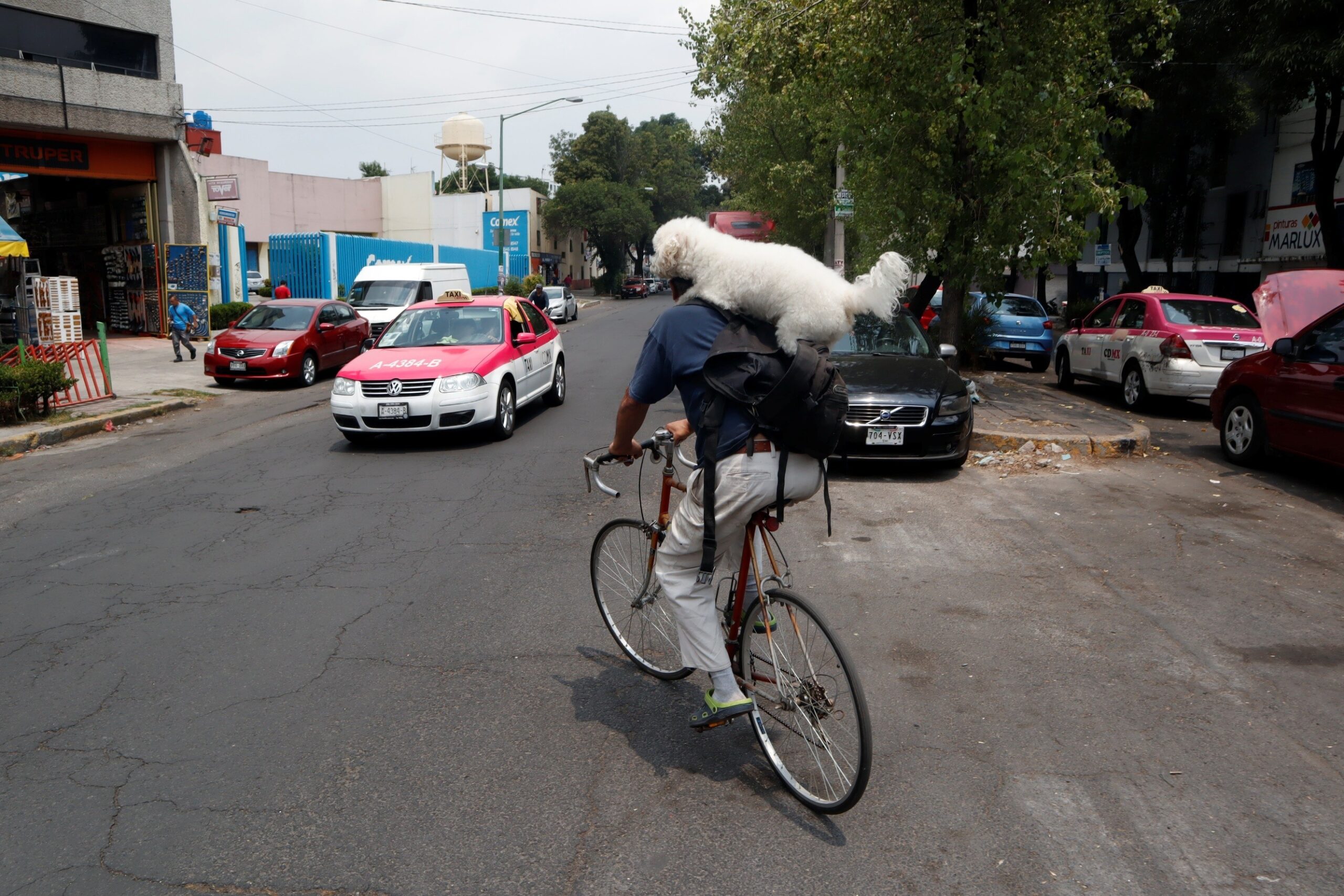
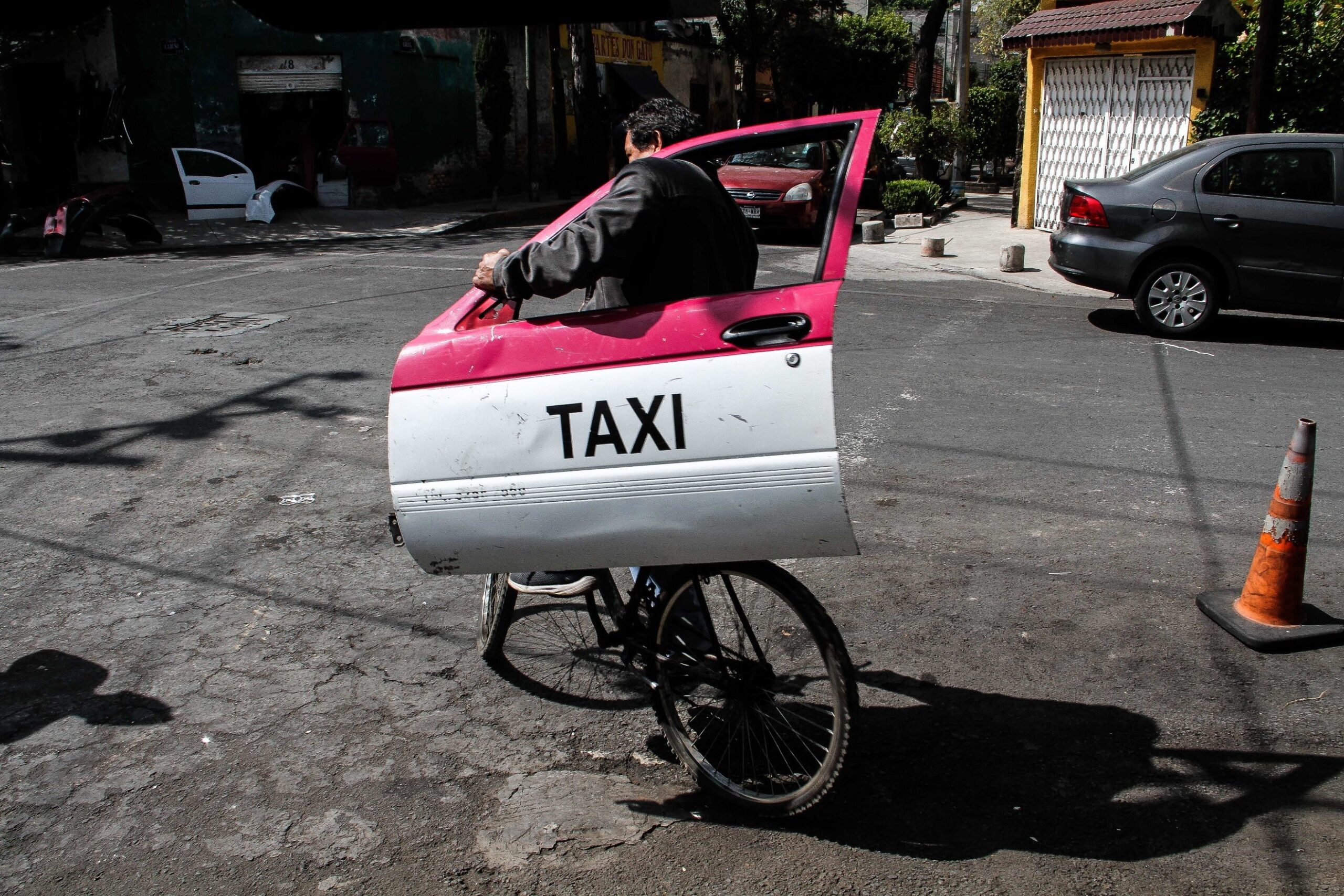
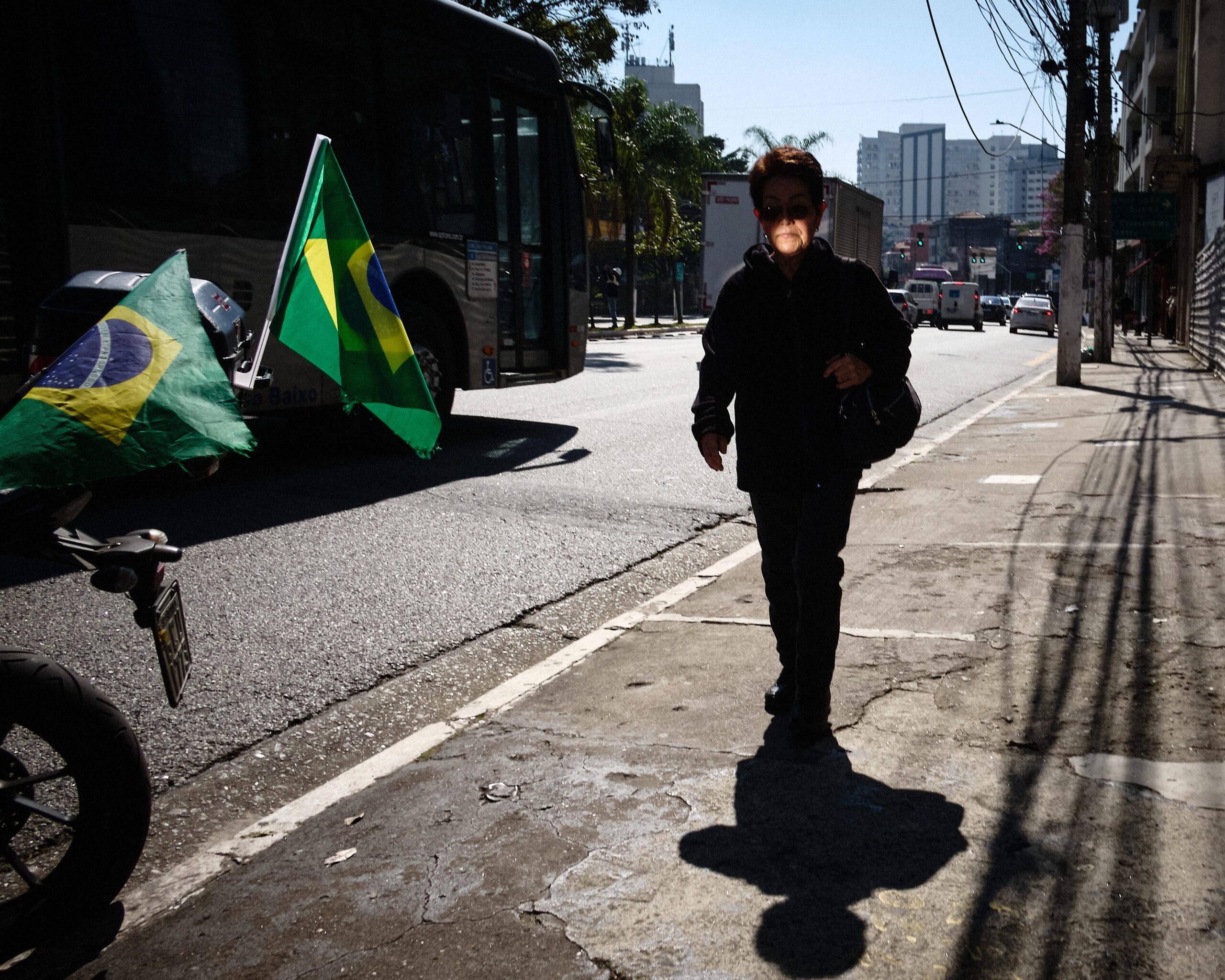
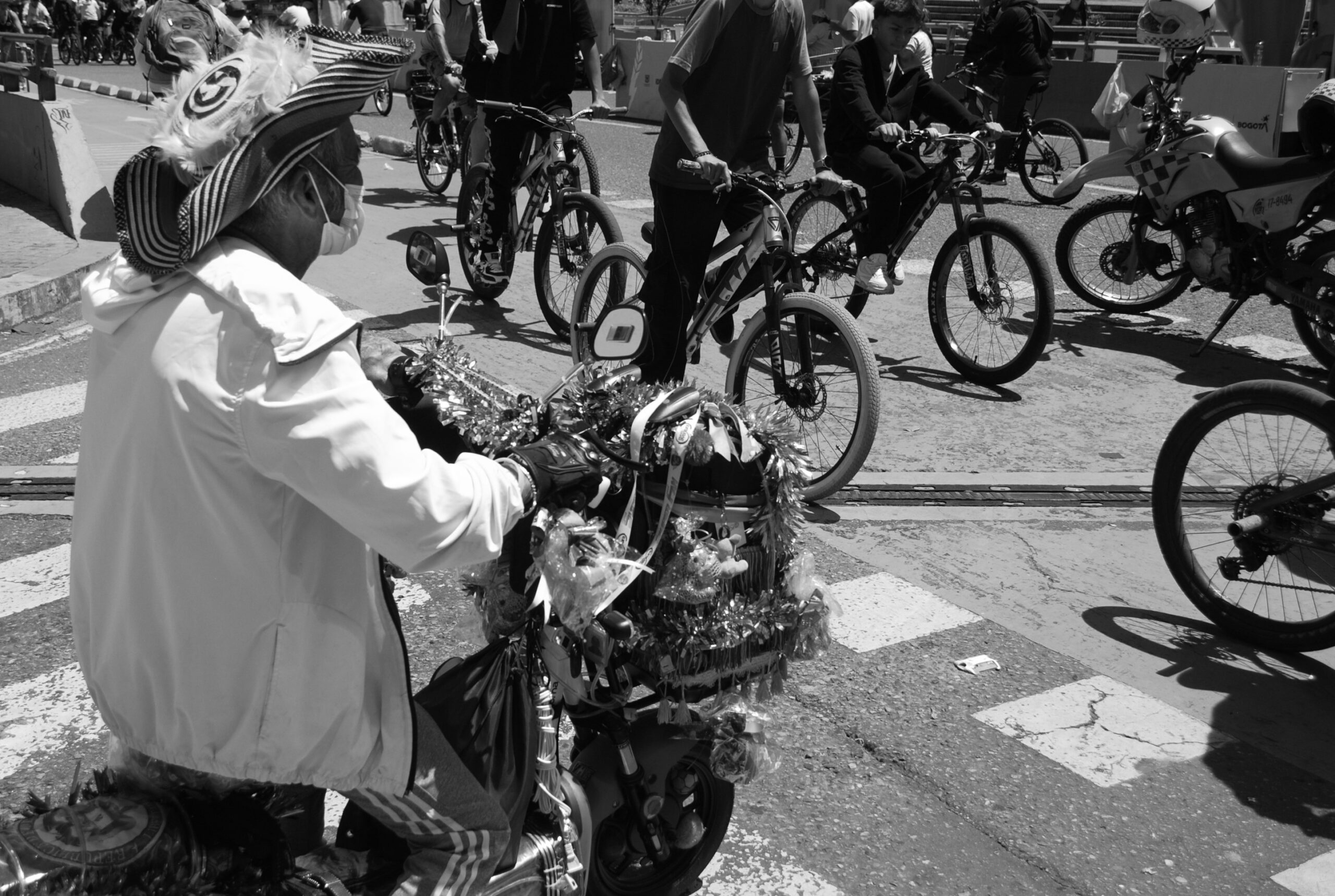
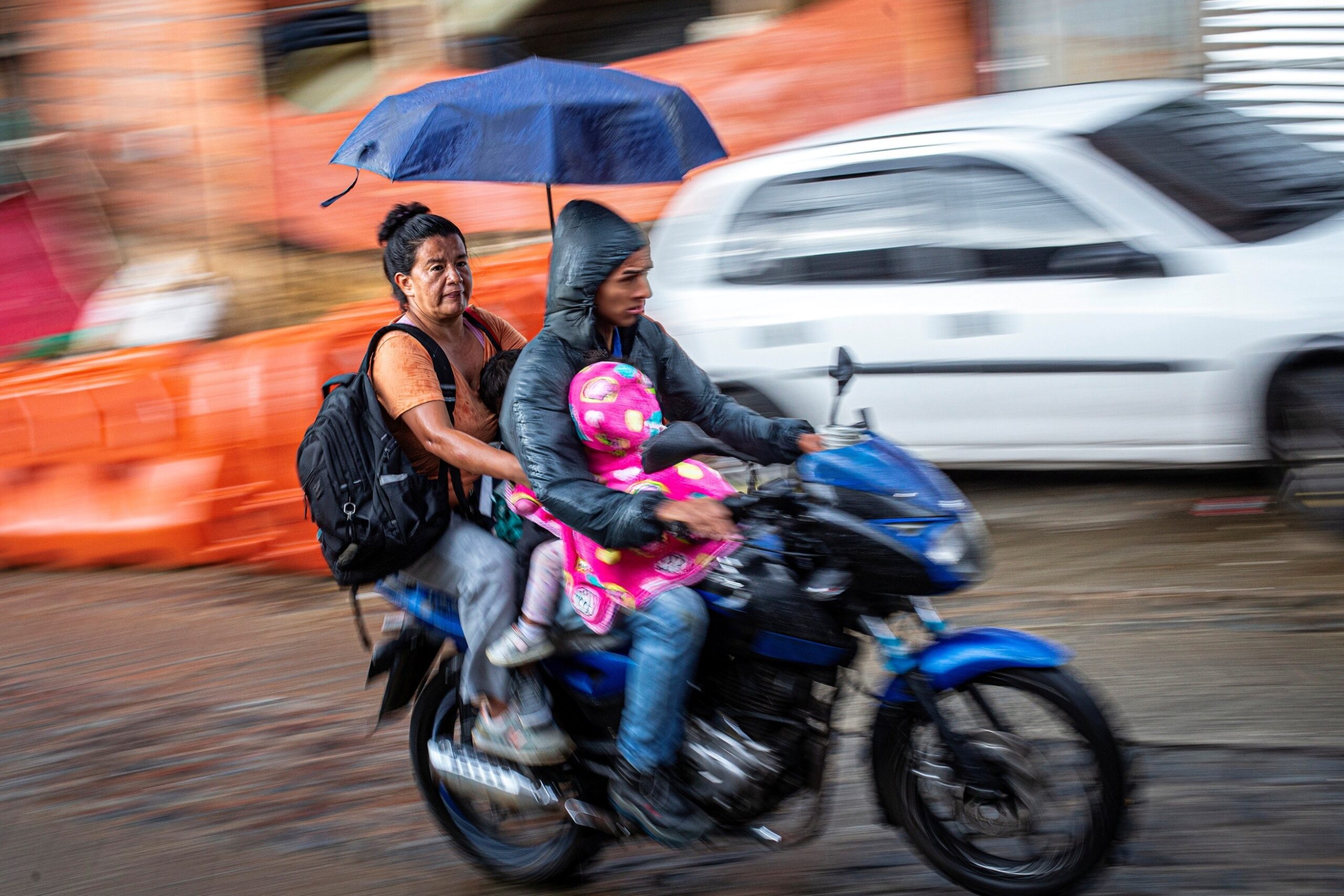
A street photography open call marking ten years of MobiliseYourCity — everyday mobility across the Global South, seen through the eyes of the people living it. These 45 photographs were exhibited in Brussels on 1 October, during MobiliseYourCity’s anniversary event. Tap any photo to enlarge it.
Sub-Saharan Africa
8 photographs

MENA
6 photographs
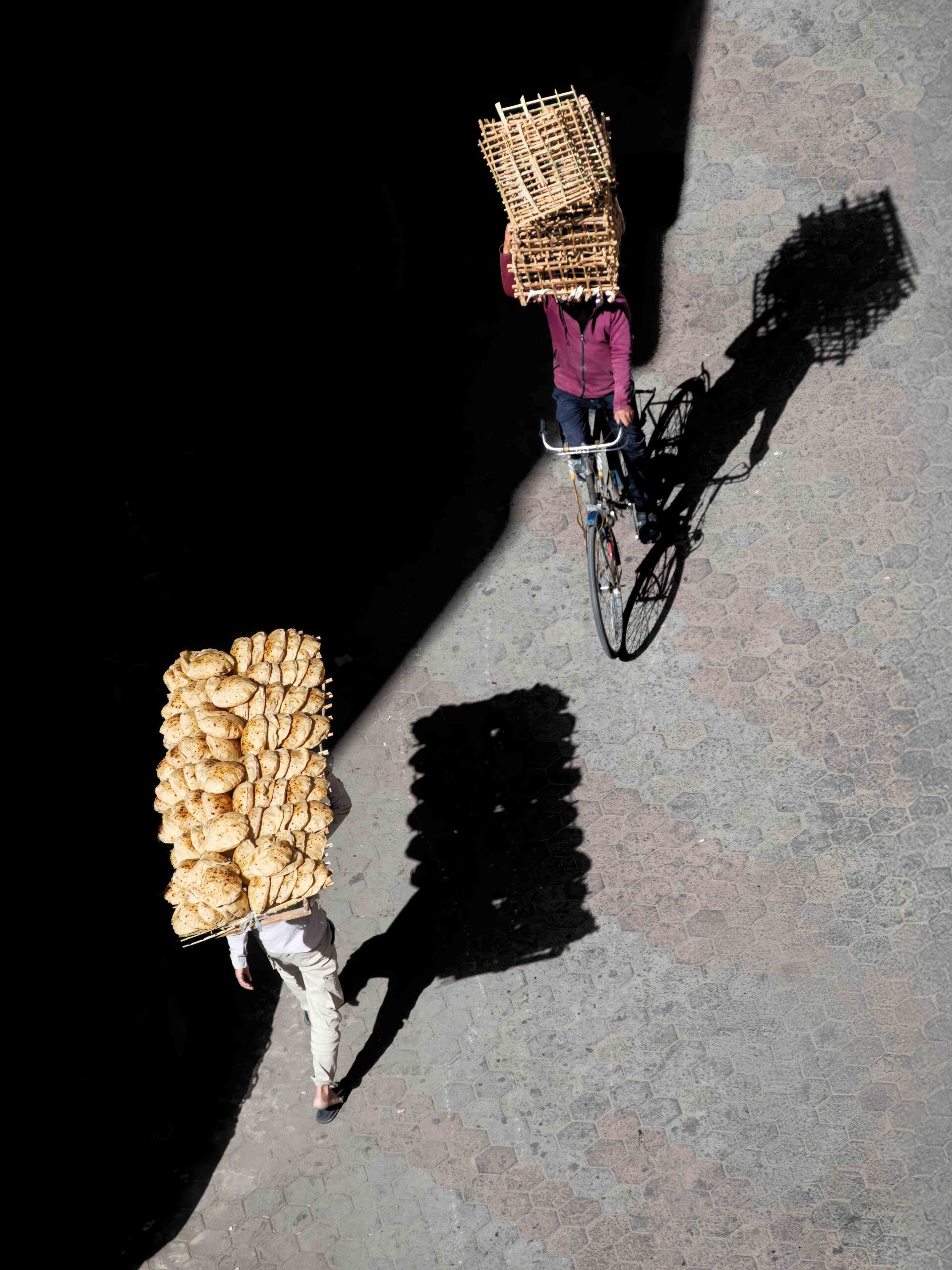
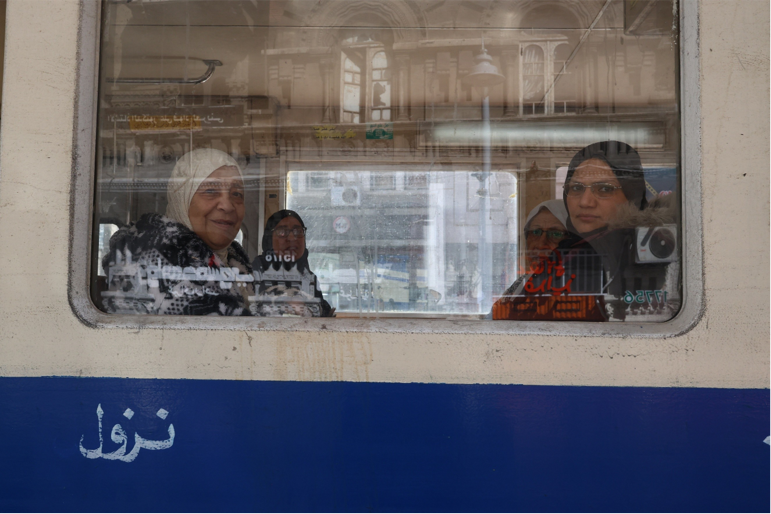
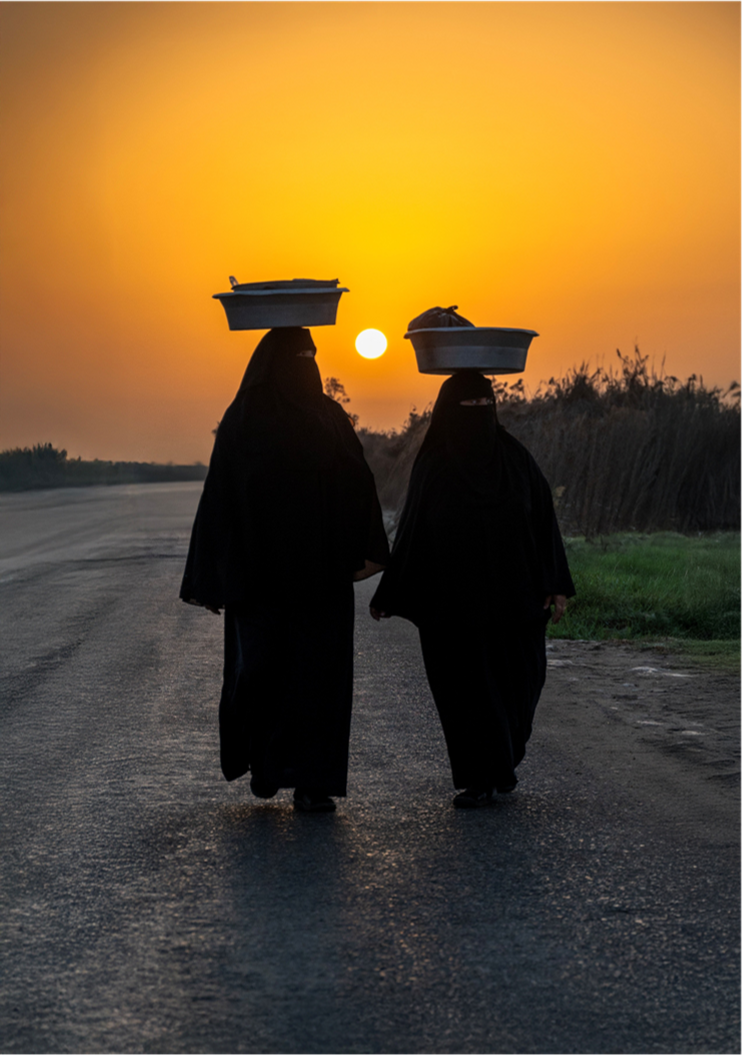
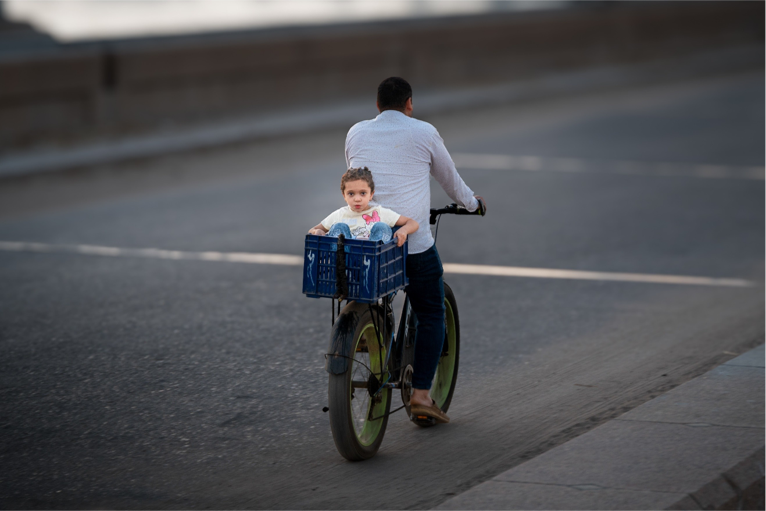


Asia
21 photographs





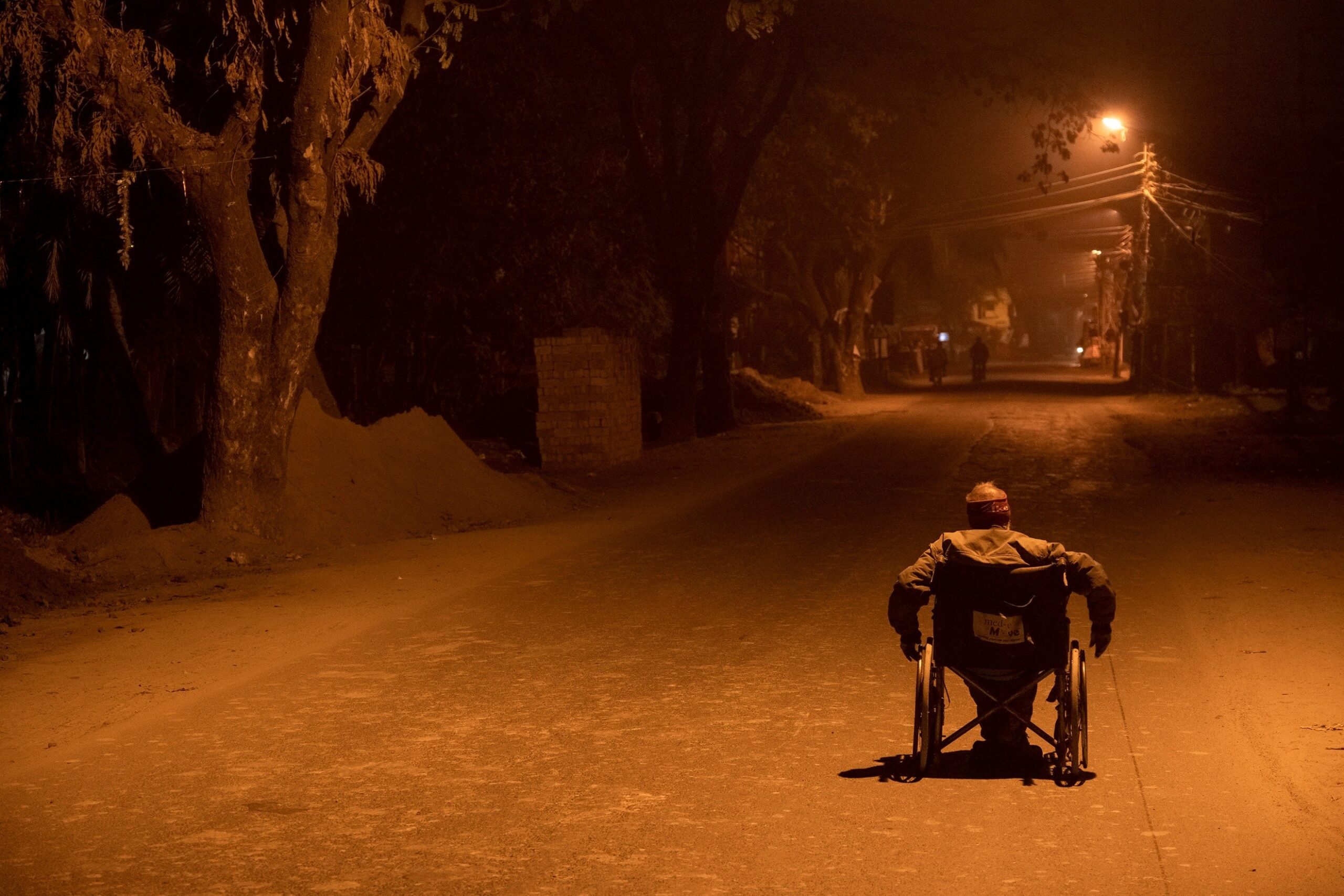
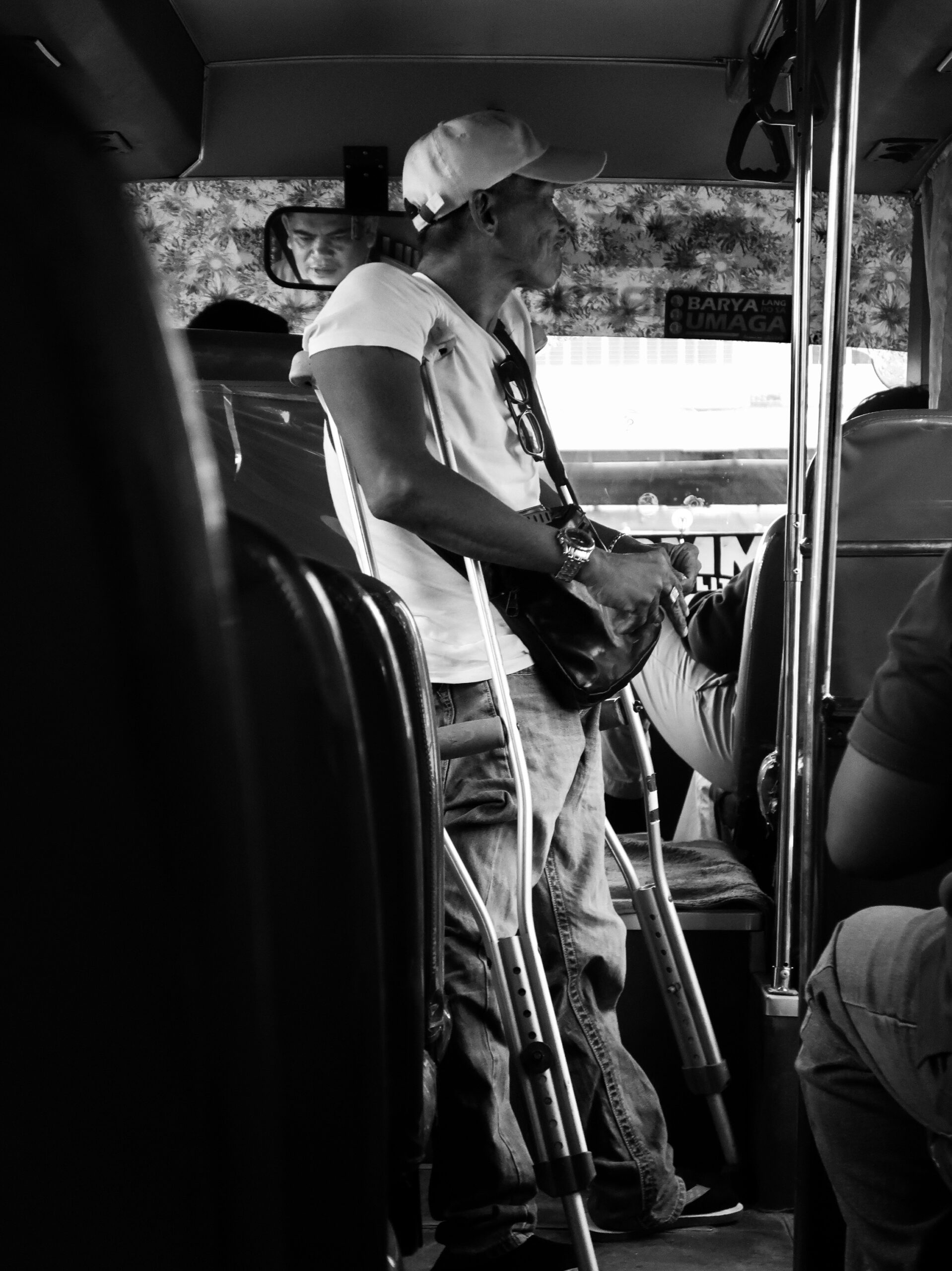
Latin America
10 photographs

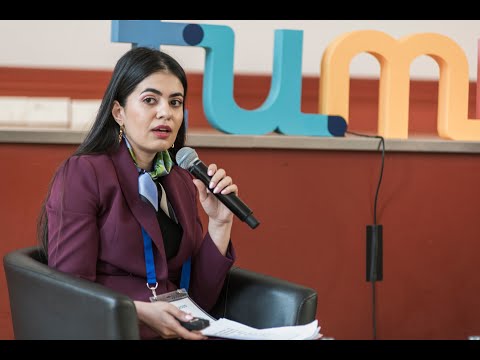
A Poem, Read Aloud
Not every piece in this exhibition is visual. This reading closes the loop between the human voice and the human mile.
Sana'a Khasawneh — poem reading
Recorded live at the TUMI Conference 2025, Session 3. Opens on YouTube in a new tab.
Watch the reading →Photo Exhibition: Ukrainian Feminist Voices
A photo exhibition documenting the resilience and leadership of women and feminist voices in Ukraine's transport and mobility sector amid ongoing crisis — hosted on the TUMI website alongside this exhibition.
View the exhibition on transformative-mobility.org →